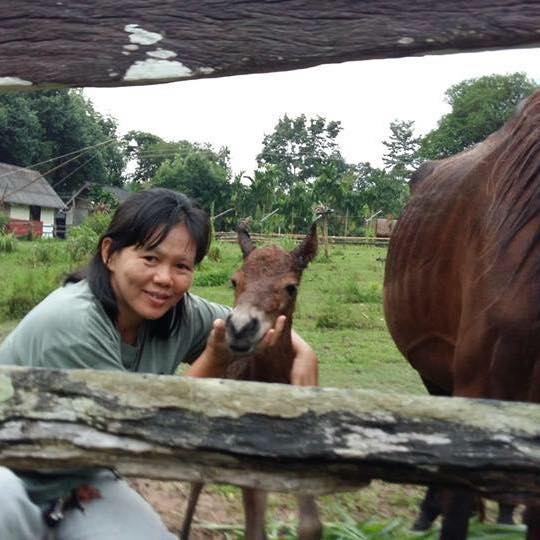
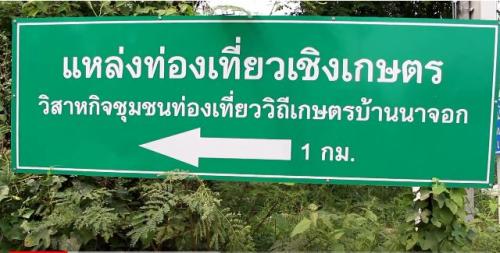
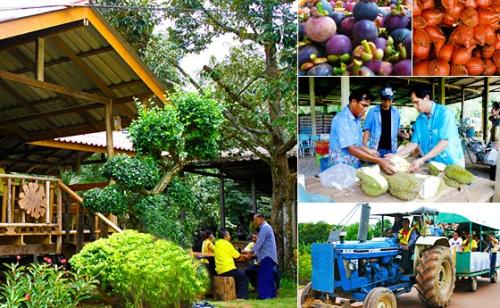
Learning center for organic farming Conservation of Thai horses, hippo therapy (for autistic children), visit the garden, eat fresh fruit from the organic farming orchards
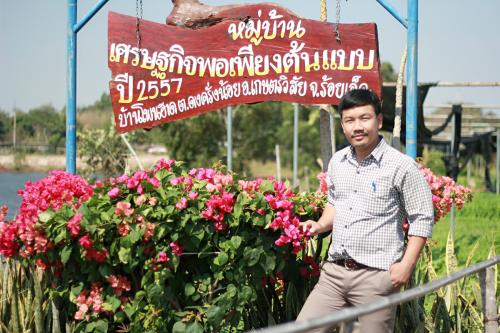
Phon Had Village is a sufficiency economy village, an organic vegetables source, organic rice, delicious insects, listening to vegetable lullabies as a source of fanaticism. The only place in Roi Et according to the Philosophy of Sufficient Economy. The village is famous for its delicious insects, excellent craftsmanship. Familiar with pesticide-free vegetables Muan I Lee Bun Bang Fai Tradition, worshipping the great god, the legend of Phraya Had Phraya Thon
Supattra Land Garden is a collection of 25 types of tropical fruit trees such as durian, mangosteen, rambutan, grape, jackfruit, longan, star fruit, coconut, longkong, salaam, dragon fruit, and rose apple. There are many fruits and also hydroponic vegetables and beekeeping.
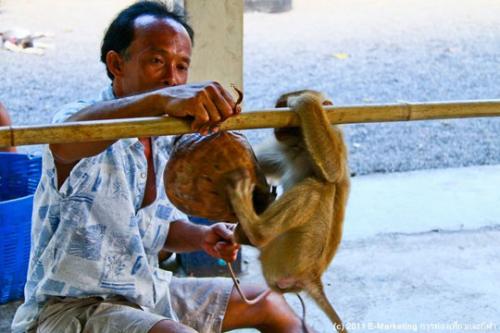
Mr.Luesak, the owner of Kradae Chae Monkey Training Center, has learned how to train monkeys from his father. Every morning he usually leads monkeys to coconut grove to teach them to climbing coconut trees, to select ripe coconuts and pick off coconuts. Besides, you can also stay overnight at Mr. Luesak with reasonable price. In addition, Kradae Chae Monkey Training Center brought male monkey to teach how to collect coconuts which monkeys can collect around 500-1000 coconuts per day.
King Bhumibol Adulyadej (King Rama IX) foresaw the significance of plant genetic conservation prior to a recognition of the terms “Biological Diversity” and “Conservation” in Thailand. During the trip to Klai Kang Won Palace, A. Hua Hin, Prachuap Khiri Khan Province in 1960, he passed through A. Tha Yang, Phetchaburi Province and noticed many Yang Na trees (Dipterocarpus alatus). Therefore, he had royal words to collect the seeds to plant at Phra Tamnak Piam Suk, Klai Kang Won Palace, and grow the seedlings at Royal Chitralada Projects to study. In 1985, King Rama IX gave a royal word to conserve jackfruit tress around the Grand Palace and initiated the plant conservation project in the palaces by tissue culture. Later in 1986, he had the royal idea to conserve and breed rattan palms and arrange the herbal garden in Royal Chitralada Projects area.
Her Royal Highness Princess Maha Chari Sirindhorn carried on the plant conservation project by having the royal idea and asked Lord Chamberlain to carry out plant conservation project in June 1992, when the seed gene bank was formed, and study the preservation of non-industrial crops under the royal thought framework.
In 1993, Mr. Sujin Phunikom, the Assistant Subdistrict Headman of Salui and Tha Sae District, Chumporn Province, and his group, cooperated with the Director of Ultra Products Co., Ltd. and the agriculturists in Chumporn Province to establish plant conservation project at the public area located at Moo.6, Salui District (presently Moo. 5 and 6, Salui District, and Moo.4 and 7, Song Phi Nong District). At the same time, the Royal Chitralada Projects was looking for the area to set up the Plant Genetic Conservation Project Under The Royal Initiative of Her Royal Highness Princess Maha Chari Sirindhorn.
Subsequently, Royal Chitralada Projects represented by Professor Prachid Wamanont (the Consultant) and the team met with Chumporn Governor (Mr. Prayoon Promphan) to discuss about the project. The first five years, the project was named “Plant Conservation and Development Project Under The Royal Initiative of Her Royal Highness Princess Maha Chari Sirindhorn, Chumporn Province”. Chumporn Provincial Agricultural Extension proposed the project for the approval from Chumporn Governor and submit the project documents to the Director of Royal Chitralada Projects to respectfully inform to Her Royal Highness Princess Maha Chari Sirindhorn on 26 April 1993. Moreover, Plant Conservation and Development Project was integrated with the royal plant genetic conservation project, which Dr. Pisit Wora-urai was a Chairman. The executives meeting on 9 July 1997 had the resolution to change the project’s name from “Plant Conservation and Development Project Under The Royal Initiative of Her Royal Highness Princess Maha Chari Sirindhorn, Chumporn Province” to “Plant Genetic Conservation Project Under The Royal Initiative of Her Royal Highness Princess Maha Chari Sirindhorn”
1. Methods of organizing activities - Guided tours, cooking and eating Vietnamese food, Wearing Ao Yai (Vietnamese costume), and homestay
2. Community’s way of life - safe vegetable growing local cooking sip local tea
3. Tourist participation – visit vegetable plots Vietnamese food, cycling
Tour Program
Taste local tea, collect vegetables, Vietnamese cooking, Wearing Ao Yai, cycling to see the cultural lifestyle of Thai people of Vietnamese descent, and stay in a homestay
Route links to other attractions (with distance/km)
- Freshwater Fish Museum, a distance of 2 km.
- Chaloem Phrakiat Chakri Dynasty Hall, a distance of 2.5 km.
- Landmark, Phaya Si Sattanakharat, a distance of 5 km.
- The 3rd Thai-Lao Friendship Bridge, a distance of 15 km.
Community enterprise products in the community
Vegetables are safe from toxins, fruit, dried/fresh tea leaves, hammocks, hemp leaf snacks.
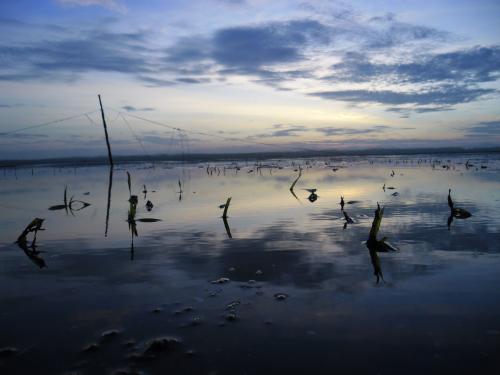
- Watch the fish and mussels raising in cages,
- Cultivation of seagrass
- Study mangrove ecosystem
- Processing of salted fish with nets/sea food
- Toei Panan Weaving
tourism program
- Arrive at the group office. Listen to a briefing on the history of Ban Pru Jude Cage Fish Farming Community Enterprise
- Learn how to raise aquatic animals in cages
- Take a boat trip to see the mangrove ecosystem. Study mangrove forests, hot springs, visit Boonkong Bay, plant seagrass to conserve food for dugongs in the Trang sea, visit various islands, beaches, return to the accommodation, have dinner, see the community's way of life in the morning. Seafood Processing Group, Kang Mung Salted Fish, Toei Panan Basketry Group, buy souvenirs, Travelling back
Route links with other attractions (with distance/km)
- Pak Meng Beach 8 km.
- Hua Hin Beach 3 km.
- Rajamangala Beach 6 km.
Note: The distance measurement is taken from the point of the group office as a starting point
Community enterprise products in the community
Agricultural products, seafood, salted fish with nets Toei Panan wicker products
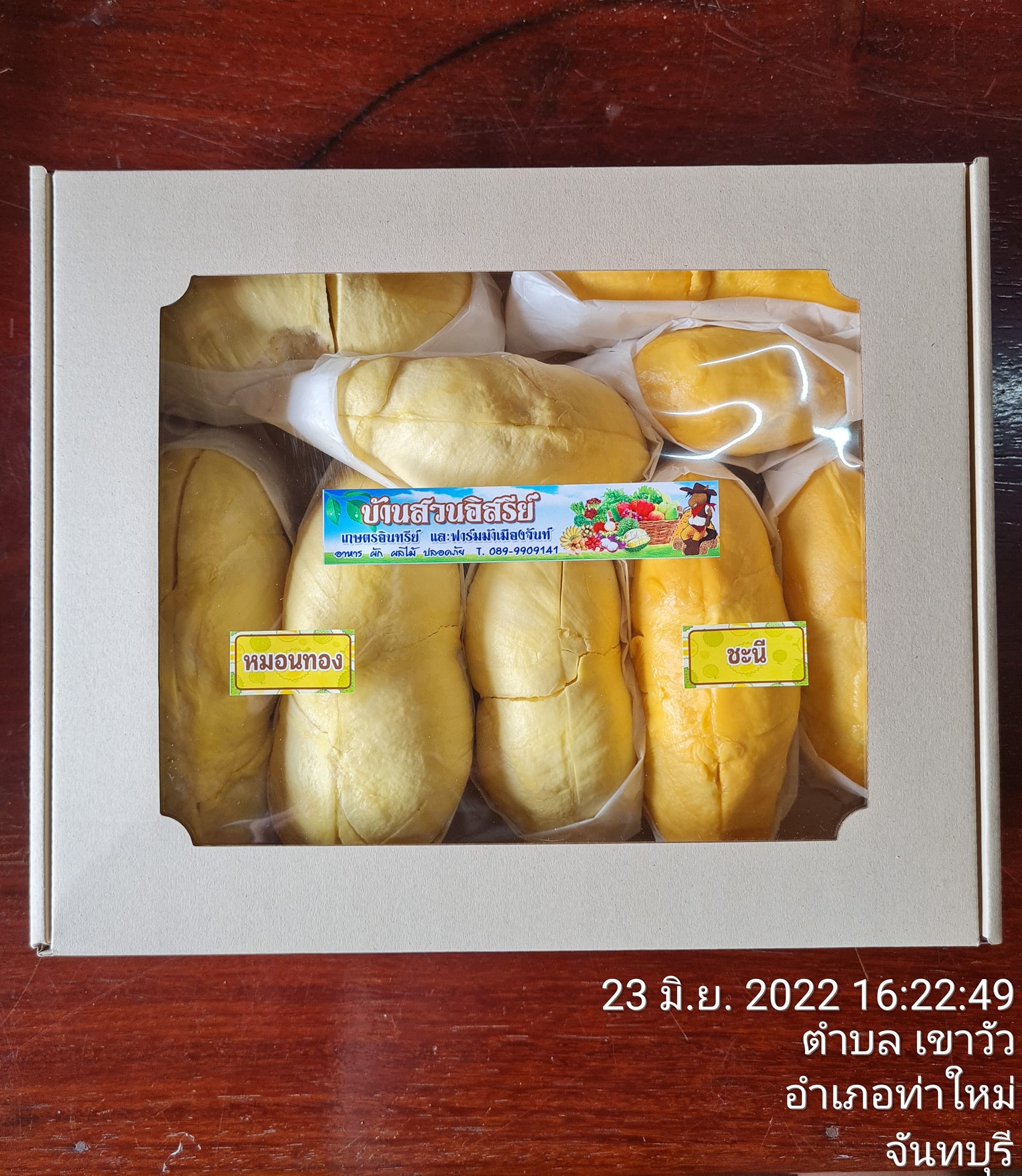
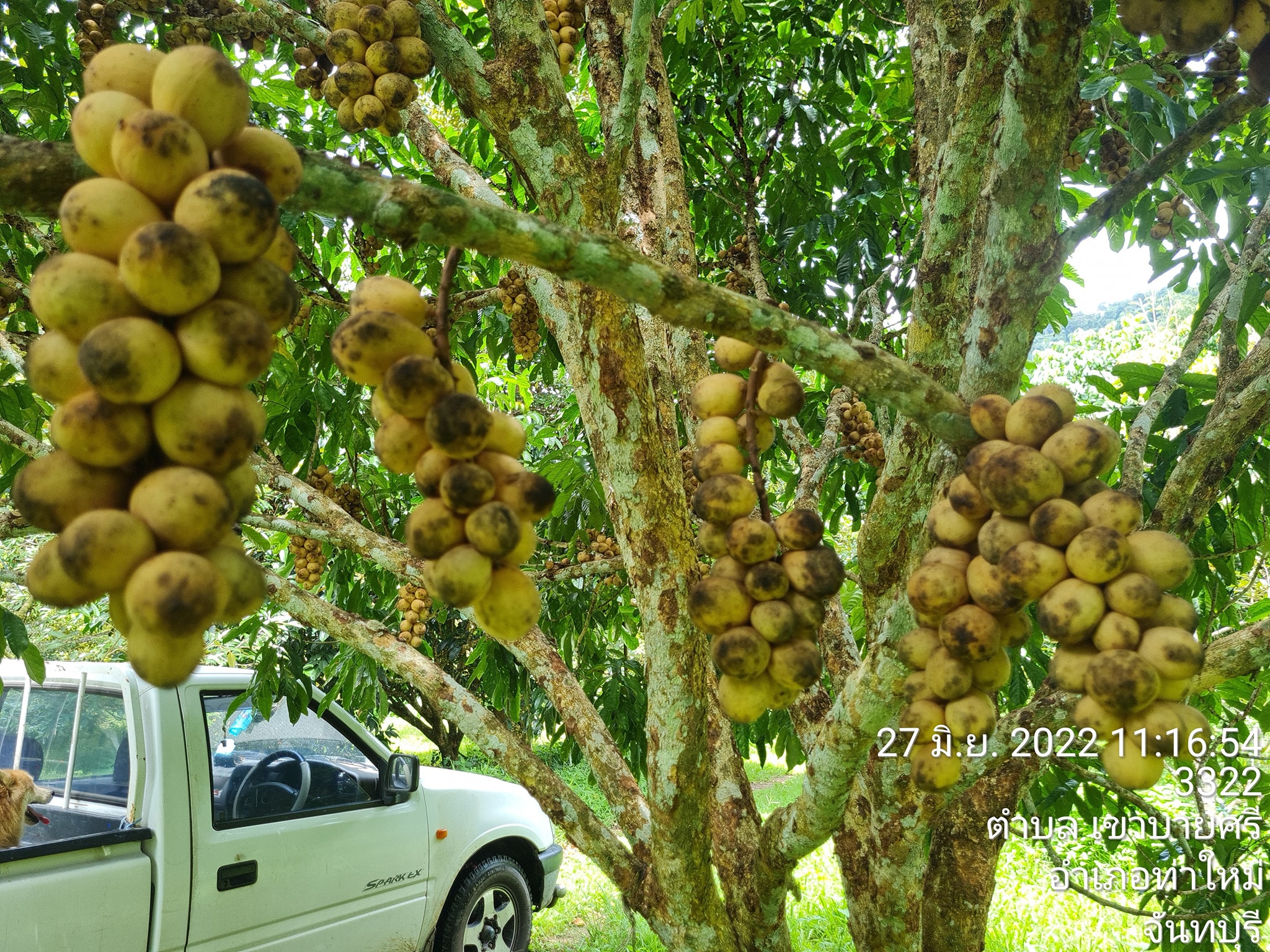
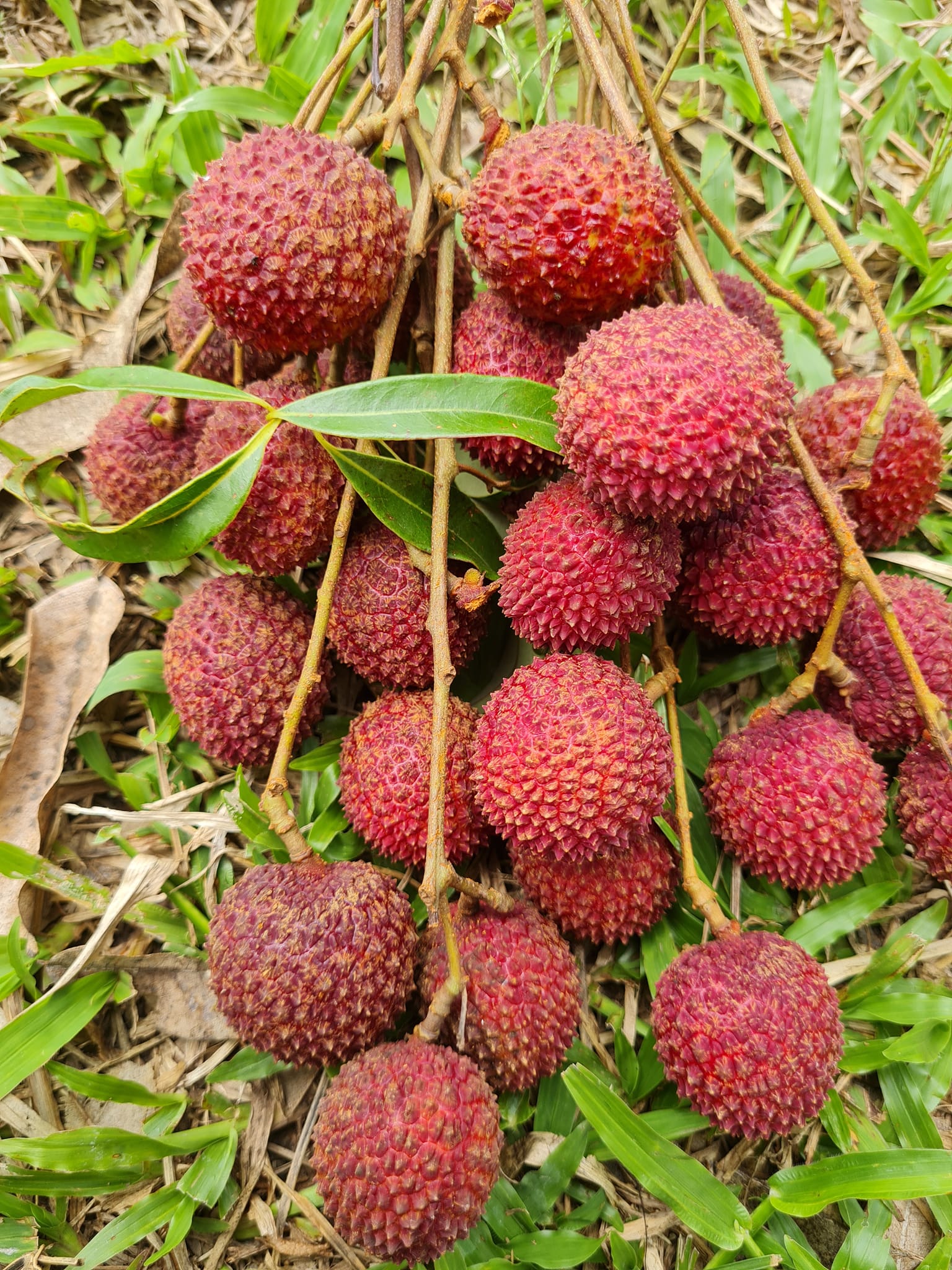
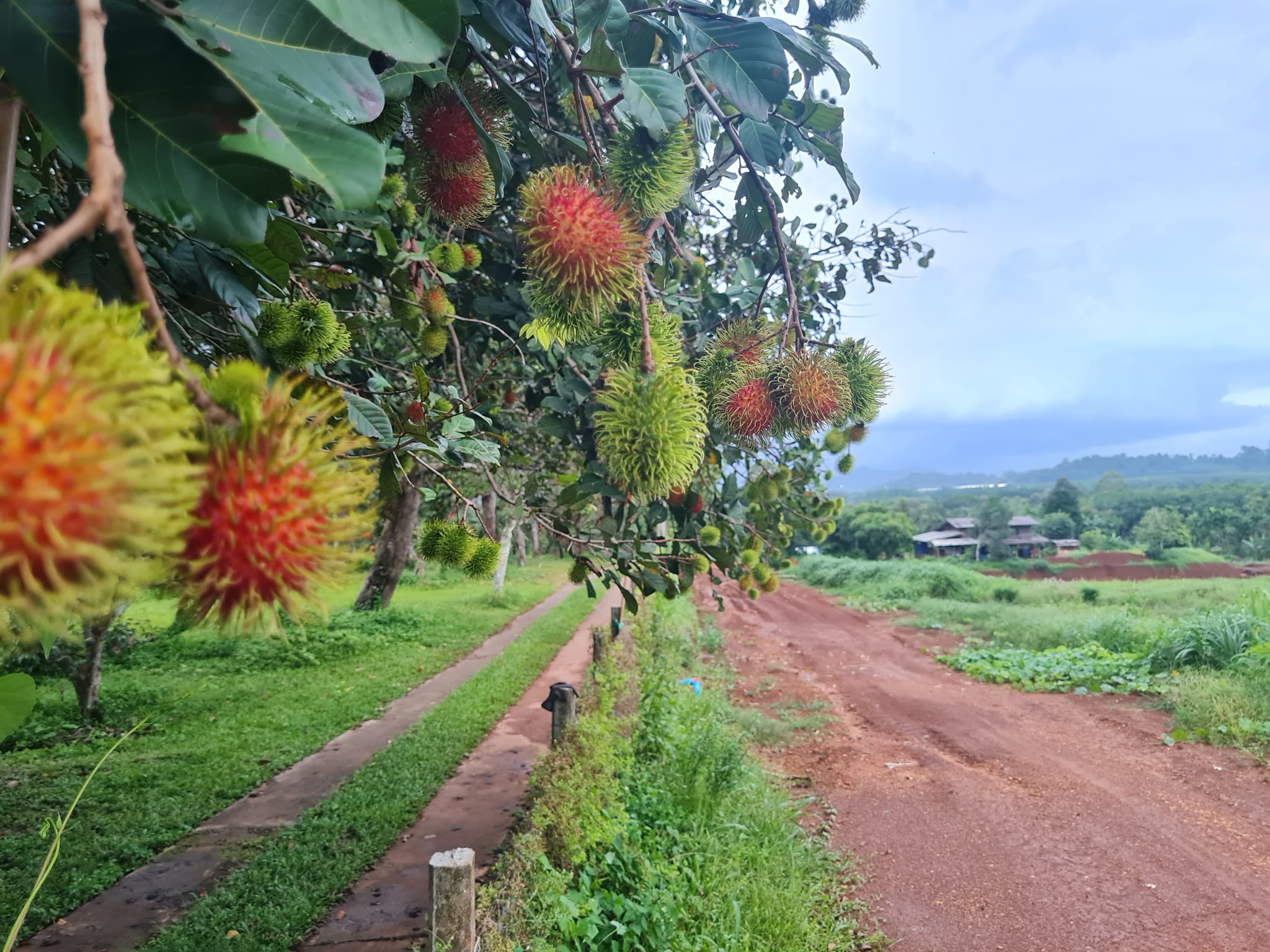
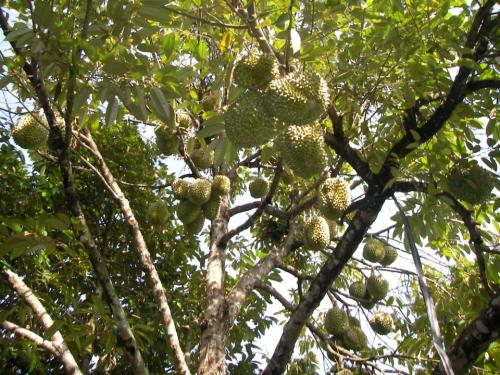
Visiting the garden and eating fruits such as durian, rambutan, mangosteen, and longkong.
- Ecotourism activities at the Huai Kha Khaeng buffer zone
- Nature Trail
Tourism Program:
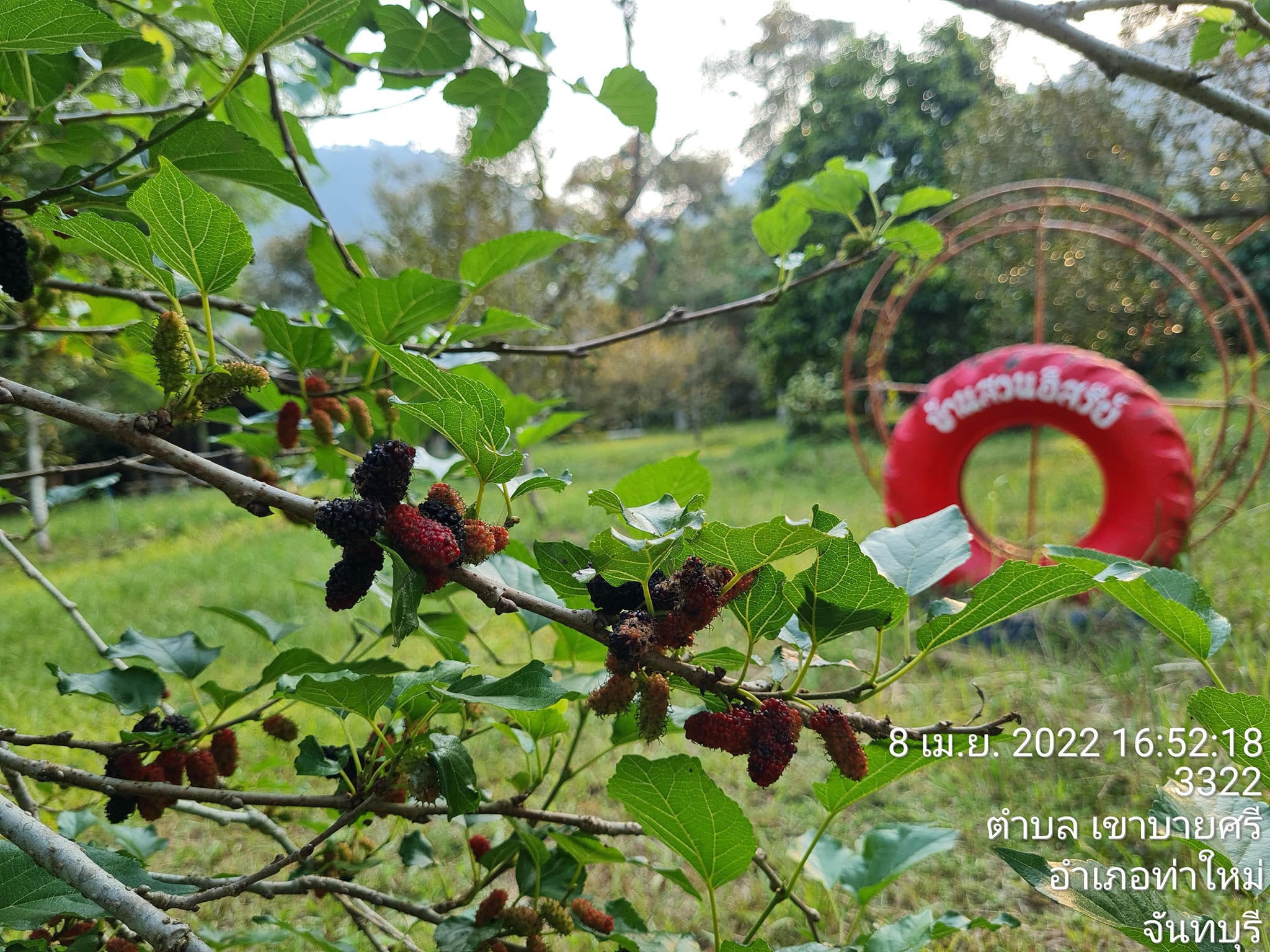
1. Watching the integrated agro tourism, such as an orchard of guava, Wong Bo lime and fresh mulberry.
2. Visiting the orchard and eat quality fruits such as durian, rambutan, mangosteen, and longkong.
3. Ecotourism at the Huai Kha Khaeng buffer zone
4. Seting up a tent to relax at Huai Nam Ring Reservoir in the area of Huai Kha Khaeng buffer area
The direction that links with other attractions:
- Paying homage to Luang Por Sema at Wat Pa Sak, which is a local monk of Lan Sak District, a distance of 5 kilometers.
- Visiting Huai Kha Khaeng National Park, a distance of 12 kilometers.
- Hup Pa Tat, a distance of 10 kilometers.
- Samo Thong Hot Spring, a distance of 12 kilometers.
It is a beautiful, shady fruit garden. The uniqueness of the taste of fruit, whether it is durian, rambutan, mangosteen and longkong, is why the owner of the garden has emphasized that this place has quality fruits. Its quality is at the GAP level by adopting a good quality farming system into production. The GAP system itself helps to increase the quality of productivity and safe for consumers, including the farmers themselves. Because the GAP system controls the use of chemicals to a level that is safe for consumers. Therefore, consumers or tourists can rest assured that they are safe and secure.
Seasonal fruit garden with fragrant durian, sweet rambutan and delicious mangosteen; affordable price, pay attention to every plant delivered directly to the customer
1. It is a learning center for the Garden of Eden, organic agriculture, sufficiency economy.
2. Making biogas for household use
3. Making organic fertilizer and making bio-fermented water
4. Using water buffalo to plow into a traditional way of life
5. Damping and restoring forests for water sources (forest planting)
6. Making pork pits, buffalo pits, chickens, etc.
7. Growing organic vegetables and organic fruits (mixture)
8. Fisheries