คำค้นยอดฮิต: ข้าวเหนียวมะม่วง ของขวัญออแกนิค ผลไม้สด
TH | EN
฿ 0.00
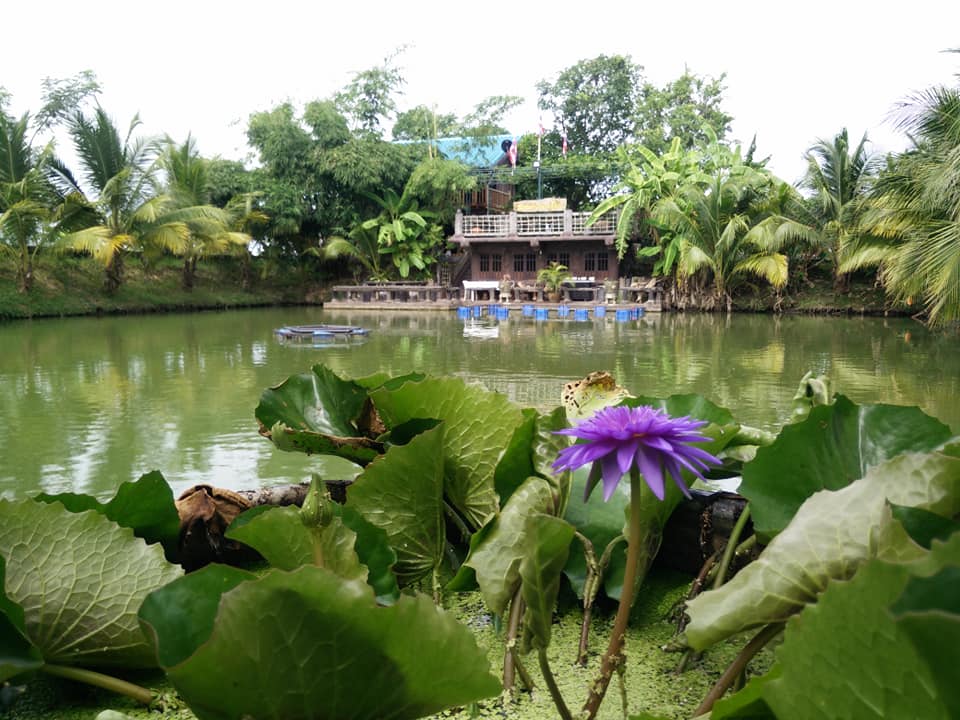
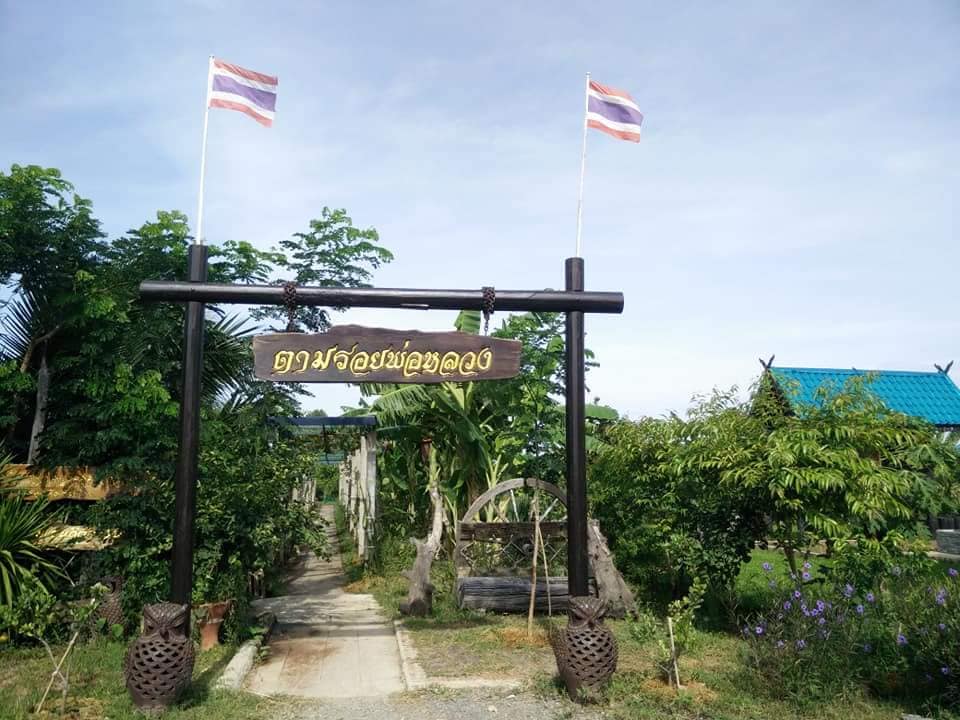
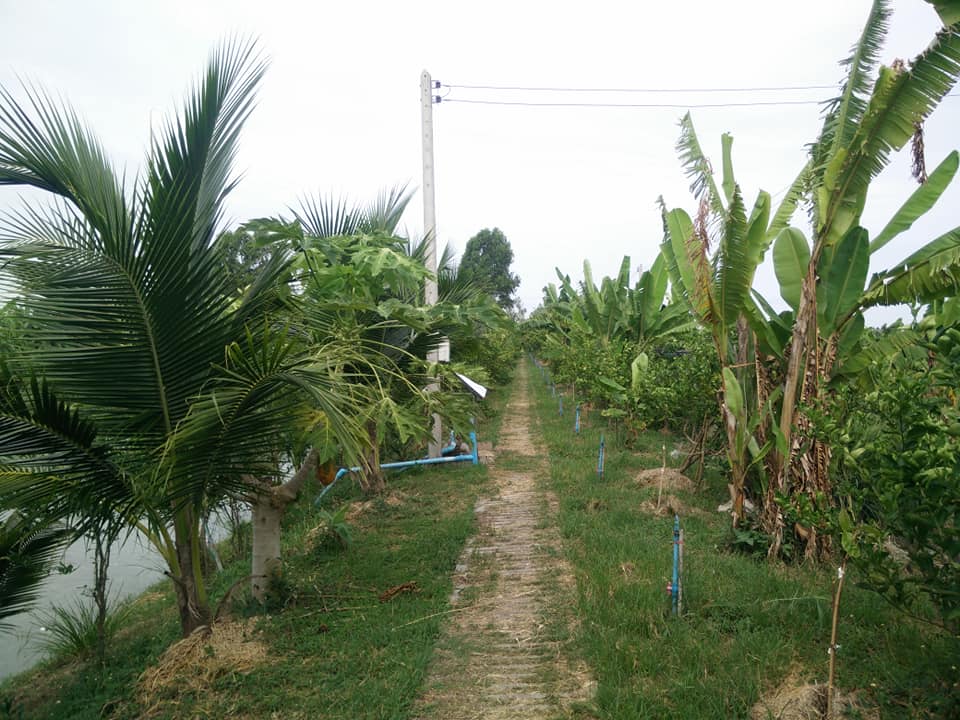
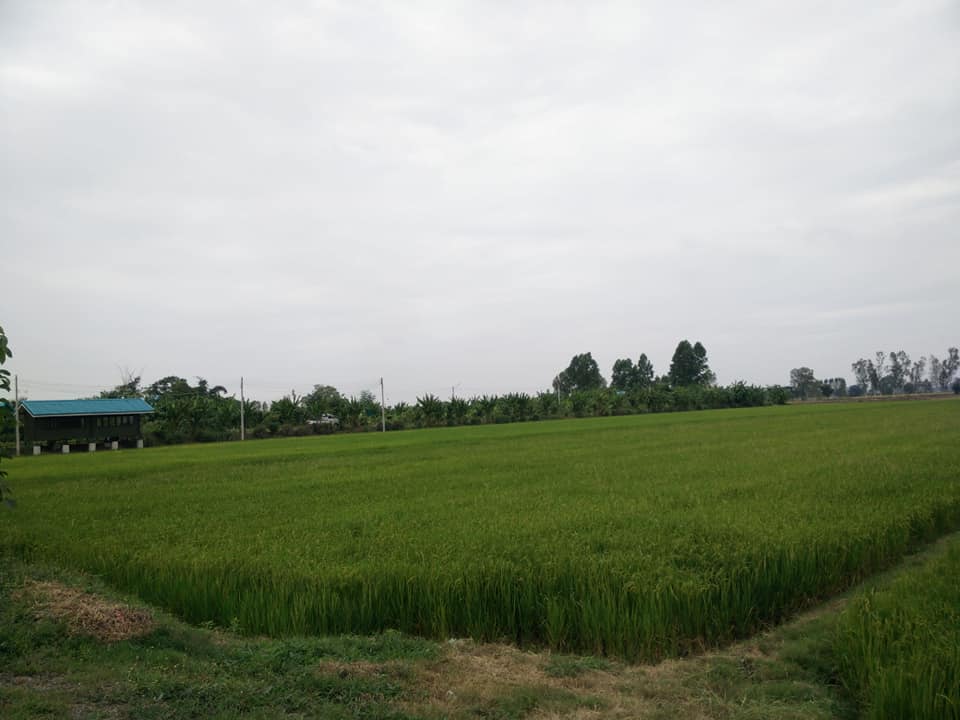
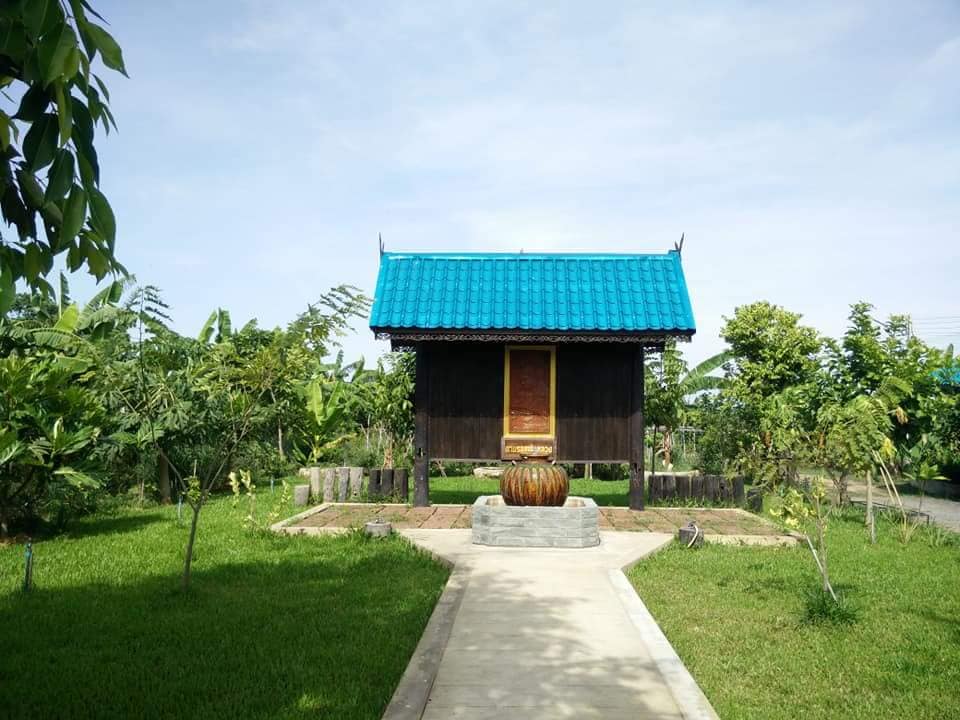
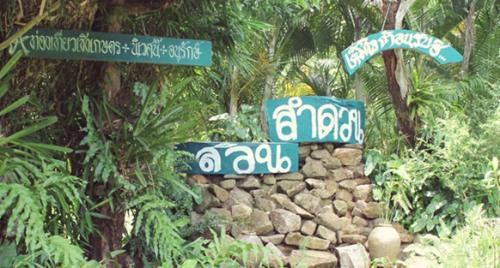
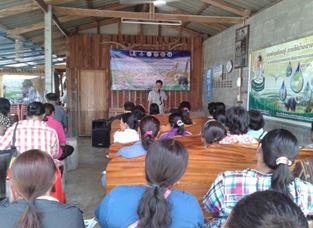
Learning Center of following in his footsteps (Kaffir lime orchard)
Sub district Sapphaya District Sapphaya Province Chai Nat
Image
Image
Image
Image
Weather
Closed
Business hours
• Sunday
: 09:00 - 16:00
• Monday
: 09:00 - 16:00
• Tuesday
: 09:00 - 16:00
• Wednesday
: 09:00 - 16:00
• Thursday
: 09:00 - 16:00
• Friday
: 09:00 - 16:00
• Saturday
: 09:00 - 16:00
Note
: -
Review Score
0
Availability
0
Value
0
Service
0
Read more >
Information
The learning center following the footsteps of the Luang Pho Luang is located in Moo 3, Sappaya Sub-district (Huai Krot-Sappaya Road), the Sufficiency Economy Learning Center.
Source
Thailand Tourism Directory
Recommended
Entrance fees
• Entrance fees: Non-fee
• Remark : -
Review (0)
0
จาก 5.0
Availability
Value
Service
Relate Agritourism
1. Methods of organizing activities - Guided tours, cooking and eating Vietnamese food, Wearing Ao Yai (Vietnamese costume), and homestay 2. Community’s way of life - safe vegetable growing local cooking sip local tea 3. Tourist participation – visit vegetable plots Vietnamese food, cycling Tour Program Taste local tea, collect vegetables, Vietnamese cooking, Wearing Ao Yai, cycling to see the cultural lifestyle of Thai people of Vietnamese descent, and stay in a homestay Route links to other attractions (with distance/km) - Freshwater Fish Museum, a distance of 2 km. - Chaloem Phrakiat Chakri Dynasty Hall, a distance of 2.5 km. - Landmark, Phaya Si Sattanakharat, a distance of 5 km. - The 3rd Thai-Lao Friendship Bridge, a distance of 15 km. Community enterprise products in the community Vegetables are safe from toxins, fruit, dried/fresh tea leaves, hammocks, hemp leaf snacks.
Nakhon Phanom
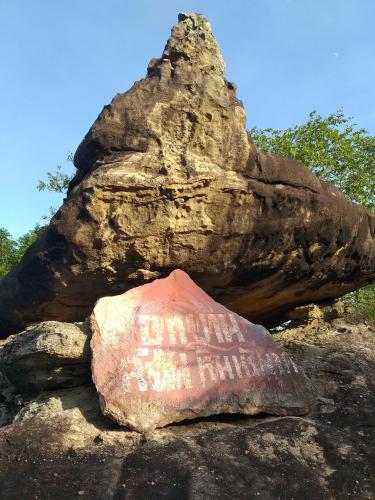
Phu Kaset is a high mountain with a wide stone terrace, and turn into Tad Hang Waterfall in the rainy season There are many different shapes of rocks that arose naturally, and it has a steep cliff; it is the location of Wat Phu Kaset (Dan Hin Hua Nak).
Amnat Charoen
Suan Lamduan hosts a fruit buffet where you can eat unlimited fruits in the garden for 200 baht, including rambutan, durian, mangosteen, longkong, and most importantly, durian. The staffs of this garden provides good service and friendly to all customers.
Rayong
It is an agricultural tourist attraction. Learning resource for reducing high production costs from the use of chemical fertilizers. Deteriorate health cause disease to human life, therefore change the concept of improving the quality of production and reduce production costs through integrated pest prevention.
Chai Nat
Suan Sawan Suphan Buri on the area of hundreds of acres: It consists of many types of plants that are displayed for viewing each period and various festivals throughout the year, including Thai flowers and oversea flowers that are colorful, beautiful and spectacular. Both foliage and fruit trees that have been researched and propagated until obtaining suitable varieties with the best quality for distribution to farmers for further cultivation
Suphan Buri
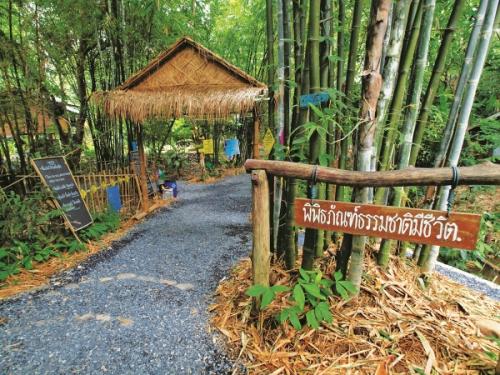
There are no charges for visiting Bhumirak Dhamachart Centerm except if you come in groups and need to participate in the activities that the Center has arranged. Here is an excellent learning source, which provides you understanding of the meaning of the word “sufficient” and how to use resources to gain the most benefits and appreciate its value. The walk around this place is in a circle, starting from the Northern Zone to be excited with the planting of various types of bamboo in both ways as well as the prettiness of the bamboo bridge, the bamboo house near the lotus pond, and the bamboo toys. It is exhibited in this way so that we will know about the many benefits of bamboo, including the making of the water dripping trough for watering the trees and soil to replace people; walking up the small mountains to learn about the wild mountain; hydraulic ram pump is to use water to compress the water to the highland instead of using the water pump, wet fire break system, benefits of vetiver grass, and how to build the check dam. Then, walking though the Central Zone to learn about New Theory Agriculture for the farmers to gain benefits from their own land to its value; learning how to build the soiled house and many types of herbs. After that, walking though the Northeastern Zone to visit the rice bank; learning about the rice milling and how to raise the livestock, in which huge cows can be seen in the stalls; how to make compost for own use so that there is no need to buy chemical fertilizer, and learn about Hom Din, which is how to bring back to good soil for farming by covering the land. But how to do that? It is better to learning by yourself. Lastly, going into the Southern Zone to look at how to burn charcoal from bamboo; how to make Biodiesel, and learn about Kaem Ling Project. Moreover, throughout the Center, I have seen many big and small watercourses along the way. There are pools, agricultural beds to grow crops, Chai Phatthana Hydraulic Turbine, the growing of vetiver in water, and many other things. This is the end of the walk where we have received knowledge and enjoy an untiring walk. Walking around, looking, listening, and asking the officer relentlessly just because things that we think ‘we know’ become things we never knew before. This is because we are used to all these projects or theories but we have never practiced or actually touched. How to travel: From Rangsit intersection, take the direction of Ong Kharak District. Head to use the route of Nakhon Nayok-Nang Rong Waterfall. Pass through Wang Takrai. Before reaching Nang Rong Waterfall for about 2 kilometers, turn right into Khun Dan Prakan Chon Dam Project. Go straight for about 3 kilometers until reaching the traffic circle (with the elephant statues). Go to the right to cross the bridge. When reaching the four-way intersection, turn right and go straight for 200 meters. The Center is on the left-hand side.
Nakhon Nayok
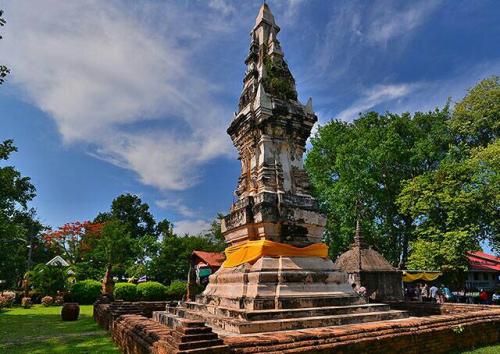
Phra That Kong Khao Noi is located in the rice fields of Tambon Tat Thong; it is an old chedi in the Khmer period, built in the 23rd-25th Buddhist century, corresponding to the late Ayutthaya period. It is located in the area of Wat Phra That Kong Khao Noi which was originally just a rice field in Tambon Tat Thong Phra That Kong Khao Noi is a brick and cement chedi. The shape is strange from the general pagoda is characterized as a rice hull. The Phra That is a rectangular chedi with three wooden indented corners. The square base is 2 meters wide on each side and raised about 1 meter in height. Next to this part is the top of the chedi, which is gradually approaching each other, while the outer peak of Phra That Kong Khao Noi is surrounded by a brick wall measuring 55 meters in size. In addition, behind the relics there is a Buddha image made of bricks. The villagers regarded it as very sacred. And in the fifth month, people come to bathe the Buddha image and cover it with gold. It is believed that if this were not done, the rain would have dried up that year. Also in the area of Ban Tad Thong, the Fine Arts Department has excavated the stories of prehistoric humans by discovering human skeletons in prehistoric times and painted utensils in Ban Chiang style
Yasothon
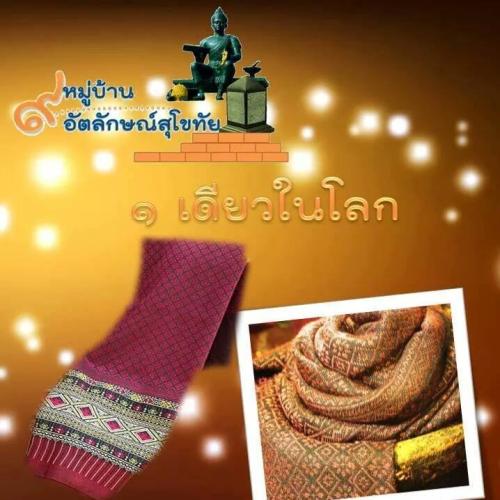
The villagers of Ban Na Ton Chan have a traditional way of life mixed farming. There is mud fermented cloth which made into a good weight fabric. It is beautiful with mud fermentation and intricate weaving. Villagers have adjusted the area for camping. Raise the bamboo litter to make a seat for eating, make a toilet, the rest is still in the same condition as before. This mountain ridge has beautiful scenery. Visitors can watch the sunrise and sunset at the same point. There are about 23 homestays in Ban Na Ton Chan, living separately or in the same house as the owner of the house. Visitors can indulge in the nature around the accommodation with a fully equipped kitchen, they can buy food, cook, and eat comfortably. There are cycling activities to see the way of life in the village. See orchards and fields with a community guide and visit the fruit orchards of the villagers are some activities. Tourism program : - Stay at Baan Na Ton Chan homestay which currently has a total of 23 houses. - Biking to see the way of life in the village, visiting fruit orchards and fields. - Watch how to make mud fermented cloth, weaving by hand, Yok Dok cloth, and buying ready-made mud fermented fabrics. - See how to make a barn doll (Ban Ta Wong) - See stump handicrafts - See and taste seasonal fruits such as durian, rambutan, longkong, mango, maprang, mafai, longan. - View point "Huai Ton Hai" to watch the sea of ​​mist and the sun - Watch and test how to cook rice and local food, and sip coffee in a bamboo tube. Route links with other attractions: - Si Satchanalai Historical Park Si Satchanalai District, 30 kilometers - Antique gold shop, antique silver shop 30 kilometers - Namtok Pa Kha National Park 70 kilometers - Sukhothai Historical Park (Old Town Sukhothai) 77 kilometers - Ramkhamhaeng National Park 110 km.
Sukhothai
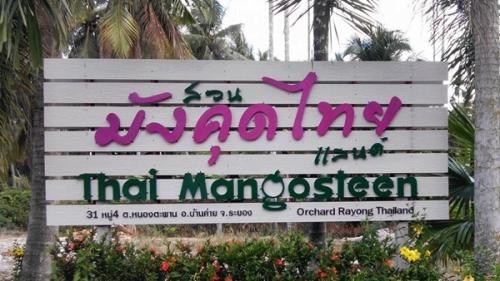
Thai Mangosteen Garden (Suan Khun Panya) has more than 300 mangosteen trees and various kinds of fruits, such as rambutan, durian and dragon fruit. It is an agro-tourism attraction where the visitors can come and enjoy the fruit buffet for 150 baht per person. This garden also has the homestay accommodation available.
Rayong
1 agricultural learning ground of Ban Na Nam Sam, 10 grounds as follow: 1) Learning ground for the production of bio-based substances (Trichoderma, Beauveria, BT, wild microorganisms, nematodes) 2) Charcoal/Wood Vinegar Distillation Learning Ground 3) Local egg raising ground 4) Mushroom cultivation ground 5) Organic Asparagus Planting ground 6) Freshwater fish farming ground 7) The composting ground 8) Herbal Refinery Ground 2 Study natural attractions 1) Pha Nam Thip Cave Sacred water from nature 2) Bat Cave, discover the natural wonders of millions of bats. 3) Chompoo Cave 4) Wat Khao Sam Yot 5) Tad Fa Waterfall 6) Tad Tao water 7) Phu Ta Lor Cave 8) Dong Sakran Viewpoint 9) Dong Lan Forest Development Project 3 agricultural learning resources 1) Growing Asparagus 2) Planting and propagating guava 3) Longan orchard generates income 4) Mushroom cultivation for additional income tourism program 2 days 1 night program Learn about agriculture at 1-2 ground center > have lunch > visit Pha Nam Thip Cave > watch bats > have dinner > relax at homestay / Phu Pha Man Camp > Asparagus plot > Golden banana plantation > Khao Temple Sam Yot > have lunch > go back Note – Tour programs and service fees may change as appropriate. - 3 snacks 1 day program Learn about agriculture at center 1-2 bases > have lunch > visit Pha Nam Thip Cave > watch bats > go back Note – Tour programs and service fees may change as appropriate. - 2 snacks Route links with other attractions (with distance/km) 1) Pha Nam Thip Cave Sacred water source from nature, a distance of 3 km. 2) Bat Cave, a distance of 6 km. 3) Chompoo Cave, a distance of 4 km. 4) Wat Khao Sam Yot, a distance of 6 km. 5) Tad Fa Waterfall, a distance of 18 km. 6) Nam Phut Tat Tao, a distance of 12 km. 7) Phu Ta Lor Cave, a distance of 16 km. 8) Dong Sakran Viewpoint, a distance of 18 km. 9) Dong Lan Forest Development Project, a distance of 22 km. Community enterprise products in the community 1 Ban Son Tai Community Shop, Village No. 3, Ban Son Tai, Non Kom Subdistrict, selling Phu Pha Man folk clothes 2 Ban Non Kom Community Shops, Village No. 1, Ban Non Kom, Non Kom Subdistrict, selling local products and souvenirs.
Khon Kaen
In the past, the Phu Ruea High Altitude Agricultural Experiment Station was to test the winter fruit varieties for planting in the northeastern highlands, including apple cultivars. and peach varieties for eating fresh In addition, Phu Ruea High Land Agricultural Experiment Station has also made efforts to collect and study grape varieties for making wine, including grapes for eating fresh, to develop varieties and encourage farmers in Loei Province to continue planting.
Loei