คำค้นยอดฮิต: ข้าวเหนียวมะม่วง ของขวัญออแกนิค ผลไม้สด
TH | EN
฿ 0.00
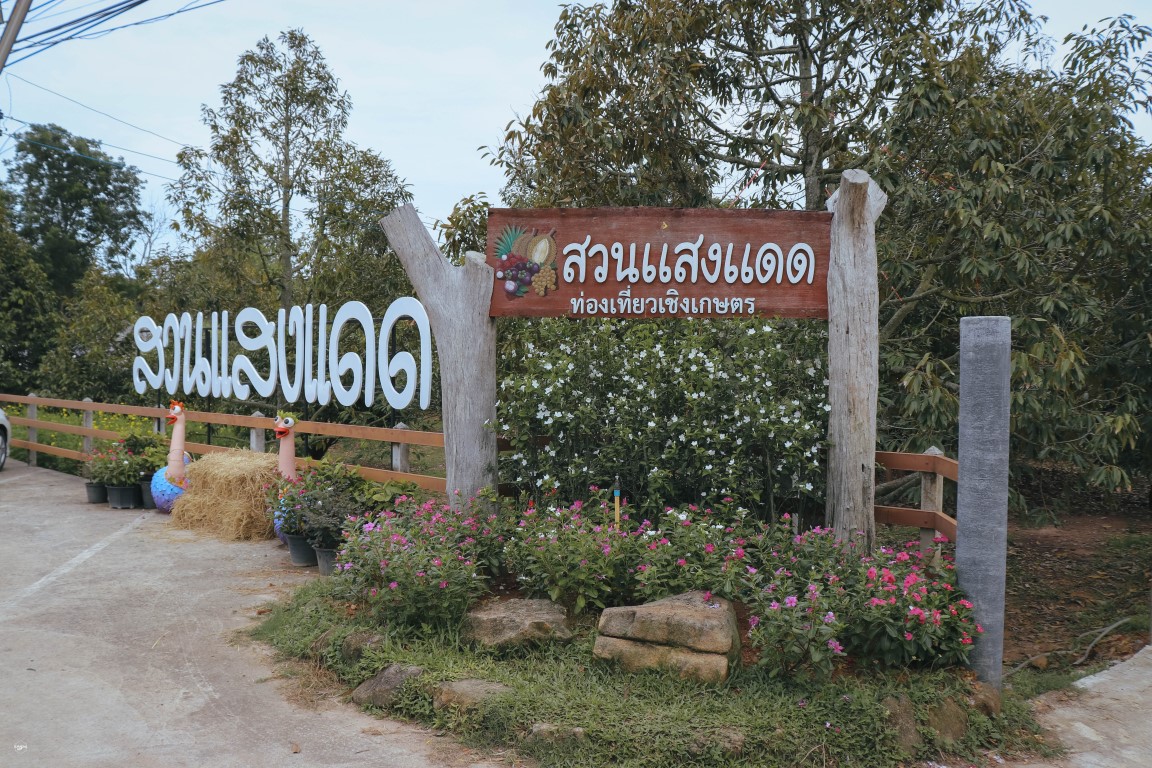
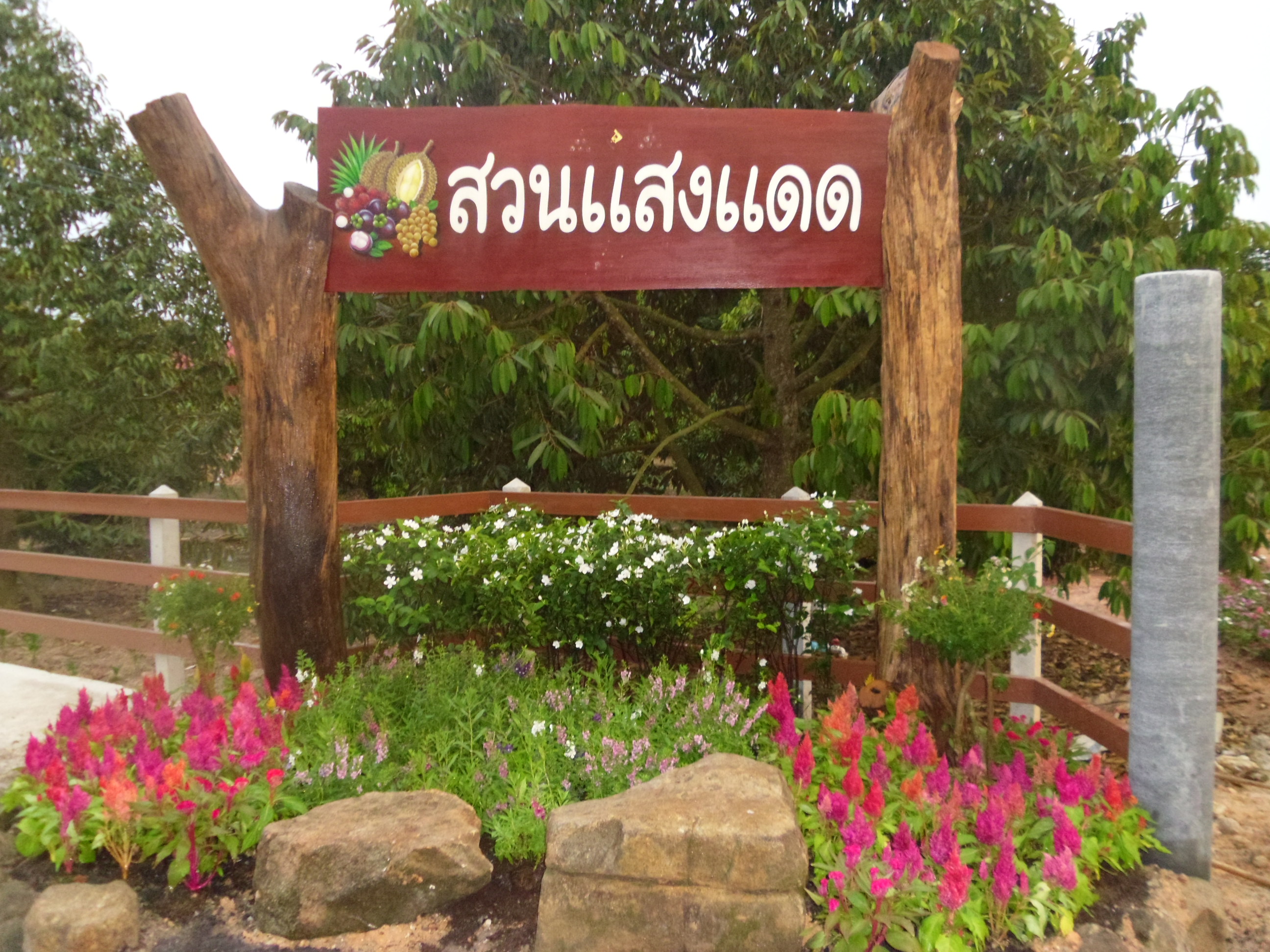
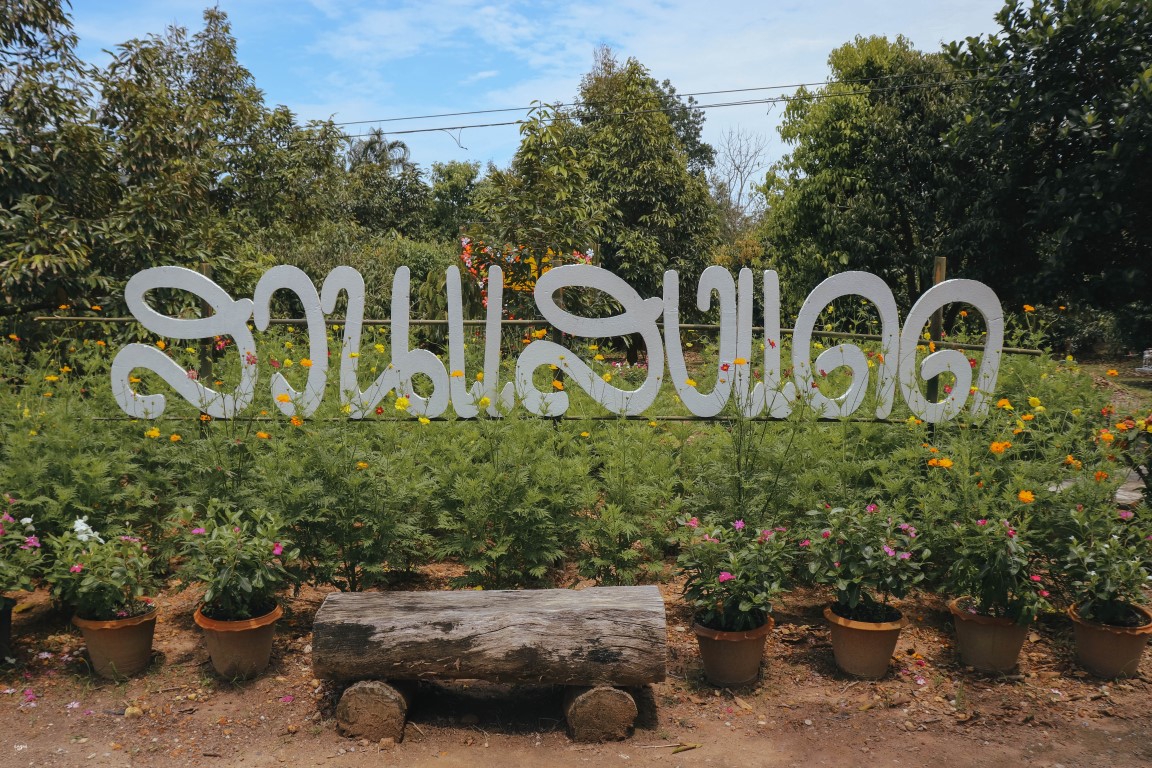
Suan Saeng Daet
Sub district Taphong District Mueang Rayong Province Rayong
Image
Image
Image
Image
Weather
Open
Business hours
• Sunday
: 09:00 - 16:00
• Monday
: 09:00 - 16:00
• Tuesday
: 09:00 - 16:00
• Wednesday
: 09:00 - 16:00
• Thursday
: 09:00 - 16:00
• Friday
: 09:00 - 16:00
• Saturday
: 09:00 - 16:00
Note
: -
Review Score
0
Availability
0
Value
0
Service
0
Read more >
Information
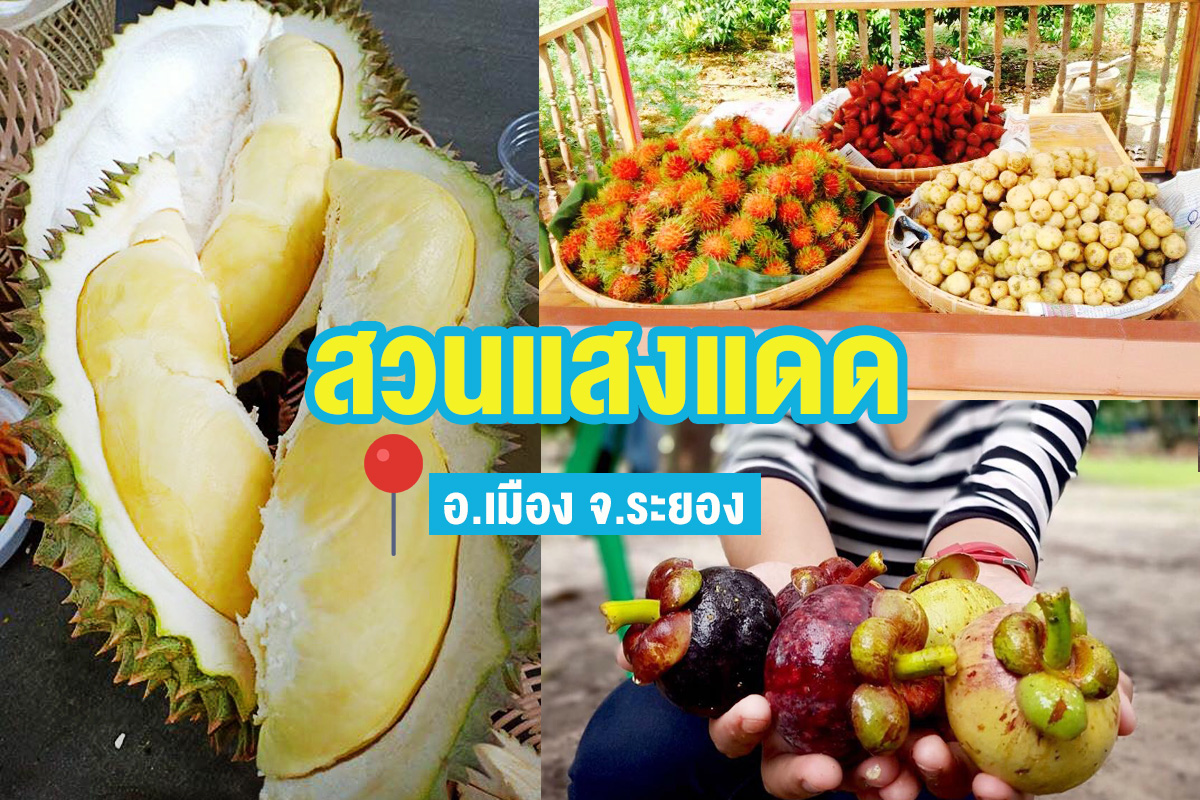
Indulge with a seasonal fruits buffet such as durian, rambutan, mangosteen, along with local food services.
Source
Thailand Tourism Directory
Recommended
Entrance fees
• Entrance fees: Non-fee
• Remark : -
Review (0)
0
จาก 5.0
Availability
Value
Service
Relate Agritourism
Phu Tham Phra is a large cave, about 3 wa wide, about 8 wa long, located on the southern slope of the mountain. There is an entrance along the rock niche which is majestically located around a tunnel; from the mouth of the cave to the north can walk comfortably. Tham Phra Buddha Cave has 2 levels of nature as a place to be enshrined of Buddha statues, which are lined up in rows and there are 2 reclining Buddha images, Phra Kajjana Buddha images, built during the reign of Ajarn Dee Chano in this beautiful cave Phu Tham Phra is a small mountainous area. The area is about 200 rai, with mixed deciduous forests that are generally quite complete, providing shady, cool weather. It is the watershed source of many creeks. The stone pillar looks like a tourist attraction of Phu Pha Thoep. And there is a viewpoint as a beautiful natural source near the ascent, there will be a brick arch to be "Phu Ngo", the locals call Khong Gate which is located in the north of Phu Tham Phra, about 1 kilometer away. Currently, only ruins remain. The sanctity of Phu Tham Phra that has been passed down from generation to generation is that if villagers in that area go out to find forest products; they must come to this cave to worship. Then there will be luck in making a living and escape from all dangers.
Yasothon
90 Market is the flea market selling varieties of agricultural products, which are surplus and processed for sale. The market receives the budget from 9101 Follow the King’s Lead Project for Sustainable Agriculture Development. The market opens every day, only the front zone that opens on Sunday only. Apart from agricultural products, events are organizing, and the government and the private sector also participated during the festival season. 90 Market won the1st Award at the district level in 9101 Follow the King’s Lead Project for Sustainable Agriculture Development.
Chumphon
The garden is adjacent to the irrigation canal which cause a cool wind blowing all the time. Inside the garden is shady. There are kiosks for tourists to sit, relax and eat the fruits from the garden. The highlight of Pu Yai Somkuan Garden is the gigantic 100 years old mangosteen tree with tall trunk and beautiful bush. The distinctive feature of the 100 years old mangosteen is that it has a thinner shell, more delicious than normal mangosteen; but smaller in size.
Rayong
The plot collects more than 100 types of fragrant plants and herbs from the northeastern region.
Nong Khai
Fruit buffet, making local rice crackers, weaving Khla mat, Lam Tud Dek
Rayong
King Bhumibol Adulyadej (King Rama IX) foresaw the significance of plant genetic conservation prior to a recognition of the terms “Biological Diversity” and “Conservation” in Thailand. During the trip to Klai Kang Won Palace, A. Hua Hin, Prachuap Khiri Khan Province in 1960, he passed through A. Tha Yang, Phetchaburi Province and noticed many Yang Na trees (Dipterocarpus alatus). Therefore, he had royal words to collect the seeds to plant at Phra Tamnak Piam Suk, Klai Kang Won Palace, and grow the seedlings at Royal Chitralada Projects to study. In 1985, King Rama IX gave a royal word to conserve jackfruit tress around the Grand Palace and initiated the plant conservation project in the palaces by tissue culture. Later in 1986, he had the royal idea to conserve and breed rattan palms and arrange the herbal garden in Royal Chitralada Projects area. Her Royal Highness Princess Maha Chari Sirindhorn carried on the plant conservation project by having the royal idea and asked Lord Chamberlain to carry out plant conservation project in June 1992, when the seed gene bank was formed, and study the preservation of non-industrial crops under the royal thought framework. In 1993, Mr. Sujin Phunikom, the Assistant Subdistrict Headman of Salui and Tha Sae District, Chumporn Province, and his group, cooperated with the Director of Ultra Products Co., Ltd. and the agriculturists in Chumporn Province to establish plant conservation project at the public area located at Moo.6, Salui District (presently Moo. 5 and 6, Salui District, and Moo.4 and 7, Song Phi Nong District). At the same time, the Royal Chitralada Projects was looking for the area to set up the Plant Genetic Conservation Project Under The Royal Initiative of Her Royal Highness Princess Maha Chari Sirindhorn. Subsequently, Royal Chitralada Projects represented by Professor Prachid Wamanont (the Consultant) and the team met with Chumporn Governor (Mr. Prayoon Promphan) to discuss about the project. The first five years, the project was named “Plant Conservation and Development Project Under The Royal Initiative of Her Royal Highness Princess Maha Chari Sirindhorn, Chumporn Province”. Chumporn Provincial Agricultural Extension proposed the project for the approval from Chumporn Governor and submit the project documents to the Director of Royal Chitralada Projects to respectfully inform to Her Royal Highness Princess Maha Chari Sirindhorn on 26 April 1993. Moreover, Plant Conservation and Development Project was integrated with the royal plant genetic conservation project, which Dr. Pisit Wora-urai was a Chairman. The executives meeting on 9 July 1997 had the resolution to change the project’s name from “Plant Conservation and Development Project Under The Royal Initiative of Her Royal Highness Princess Maha Chari Sirindhorn, Chumporn Province” to “Plant Genetic Conservation Project Under The Royal Initiative of Her Royal Highness Princess Maha Chari Sirindhorn”
Chumphon
Suan Hom Meesuk, an agarwood agricultural group community enterprise, is the source of one of the best agarwood species in Thailand
Rayong
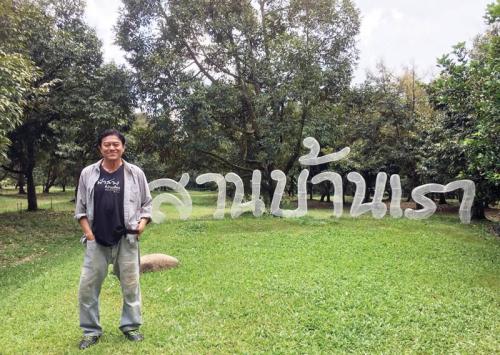
"Banrao Durian Orchard" has various durian species to taste and feel a real texture of rare durians, which only a few people could experience this taste. This orchard is a place that growing varieties of durian with the best quality to be worthy of being a high-class fruit that has been known as "King of Fruits"
Rayong
The temperature is quite chilly all year at the  Agricultural Occupational Promotion and Development Center, Phayao Provincince (Highland agriculture), which is located at an altitude of 908 meters above sea level. The region is in a good condition. Located in the Phu Langka Forest Park.  From the top of Doi Phu Langka, which has a tradition that in the past, before the Buddhist holy day, the hill tribe people below, the Mien tribe, would see a white light flashing like a pair of bamboo shoots on the top of Phu Langka, leading some locals to be wonder. Some people even come to stay overnight on Phu Langka, but they can't find anything, but when they go back down, they find that light on the Buddhist holy day again. Those lights are caused by the gathering of angels. It is believed that on this mountain It is the dwelling place of gods and deities. for you to help protect Therefore, the Mien people call this Phu Lanka "Finja Cushion" or "The Altar of the Gods". Tourism program : 1 day trip - Morning: feel the cold air See the view of Doi Phu Langka Visit the learning plots within the center such as grapes, avocados, and vegetable growing in greenhouses. and convert farmers - Afternoon : Sip Coffee and Jiaogulan Tea at Pha Chang Noi viewpoint Phu Langka Resort, Magic Mountain, Baan Talay Mok (stunning view) and visit the Pang Kha Royal Project. 2 days trip Day 1 - Morning: pay homage to the Buddha image at Wat Nantaram and Wat Phra Nang Din - Afternoon : See the view of Doi Phu Langka Visit the learning plots within the center such as grapes, avocados, and vegetable growing in greenhouses. and convert farmers Day 2 - Morning: Sip coffee and Jiaogulan tea at Pha Chang Noi viewpoint Phu Langka Resort, Magic Mountain, Baan Talay Mok (stunning view) and visit Tham Saken National Park. - Afternoon : Visit the Pangka Royal Project and the top of Doi Phu Langka Route links with other attractions: - Wat Nantaram, about 42.3 kilometers from the center. - Wat Phra Nang Din The distance from the center is about 38 kilometers. - Royal Project Pangka The distance from the center is about 21.8 kilometers. - Phu Langka Forest Park The distance from the center is about 25 kilometers. - Pha Chang Noi Viewpoint Phu Langka Resort, Magic Mountain, Baan Talay Mok (stunning view) The distance from the center is about 6.9 kilometers. - Tham Saken National Park The distance from the center is about 16 kilometers.
Phayao
It is an area that connects to Khao Yai National Park; thus, this area has an abundance of nature. And, the villagers here make seasonal orchards, and it is suitable for natural tourism .There is also a tree dug around, selling various seedlings and a camping ground
Saraburi
The ancient 200-year-old garden utilizes the resources for the long-term highest benefits. It is located at No. 5 Moo 11, Laem Sai Sub-district, Lang Suan District, Chumphon Province, about 2 kilometers from Lung Suan Market. Samroeng Rajavate, the fourth generation of the family, is a current caretaker. This is the mixed garden, where various fruits are grown in the same area. Whether Local Durian, Mangosteen, Local Rambutan, Langsat, Betel Nut, Coconut, Nutmeg, Sato, Lukniang, Sapodilla, Champa, Jackfruit, Mafai, Banana, Homegrown Vegetables, and Herbs. Without the use of chemical fertilizers to accelerate growth. The soil is treated by growing the grass to nourish the soil moisture throughout the year. Natural fertilizer is used, such as dead leaves and annual crop residues. For pest control, birds, squirrels, and tree shrews are eating worms and insects as food. The cost includes the labor cost during harvesting season to cut grass to facilitate the harvest and at the area to plant the trees that will be repaired.
Chumphon
Phra That Kong Khao Noi is located in the rice fields of Tambon Tat Thong; it is an old chedi in the Khmer period, built in the 23rd-25th Buddhist century, corresponding to the late Ayutthaya period. It is located in the area of Wat Phra That Kong Khao Noi which was originally just a rice field in Tambon Tat Thong Phra That Kong Khao Noi is a brick and cement chedi. The shape is strange from the general pagoda is characterized as a rice hull. The Phra That is a rectangular chedi with three wooden indented corners. The square base is 2 meters wide on each side and raised about 1 meter in height. Next to this part is the top of the chedi, which is gradually approaching each other, while the outer peak of Phra That Kong Khao Noi is surrounded by a brick wall measuring 55 meters in size. In addition, behind the relics there is a Buddha image made of bricks. The villagers regarded it as very sacred. And in the fifth month, people come to bathe the Buddha image and cover it with gold. It is believed that if this were not done, the rain would have dried up that year. Also in the area of Ban Tad Thong, the Fine Arts Department has excavated the stories of prehistoric humans by discovering human skeletons in prehistoric times and painted utensils in Ban Chiang style
Yasothon