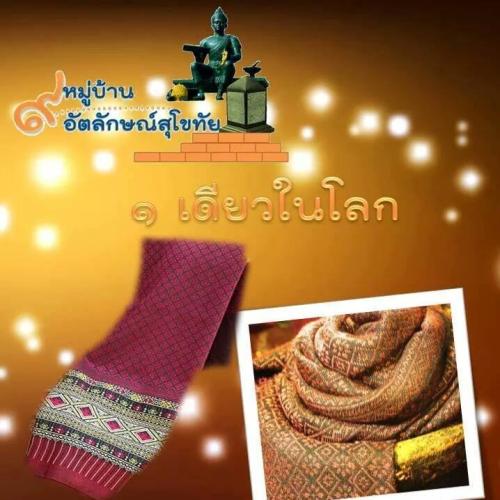
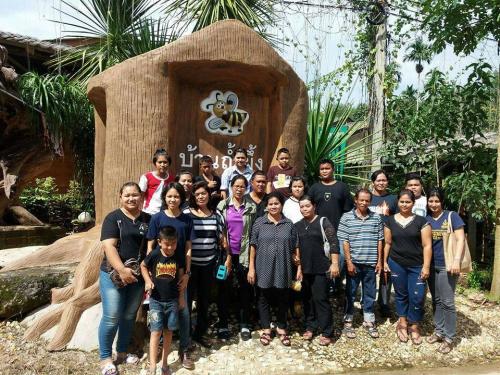
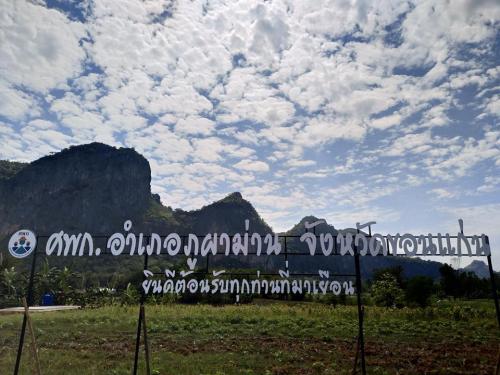
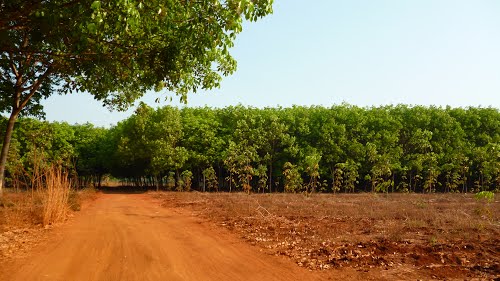
The villagers of Ban Na Ton Chan have a traditional way of life mixed farming. There is mud fermented cloth which made into a good weight fabric. It is beautiful with mud fermentation and intricate weaving. Villagers have adjusted the area for camping. Raise the bamboo litter to make a seat for eating, make a toilet, the rest is still in the same condition as before. This mountain ridge has beautiful scenery. Visitors can watch the sunrise and sunset at the same point.
There are about 23 homestays in Ban Na Ton Chan, living separately or in the same house as the owner of the house. Visitors can indulge in the nature around the accommodation with a fully equipped kitchen, they can buy food, cook, and eat comfortably.
There are cycling activities to see the way of life in the village. See orchards and fields with a community guide and visit the fruit orchards of the villagers are some activities.
Tourism program :
- Stay at Baan Na Ton Chan homestay which currently has a total of 23 houses.
- Biking to see the way of life in the village, visiting fruit orchards and fields.
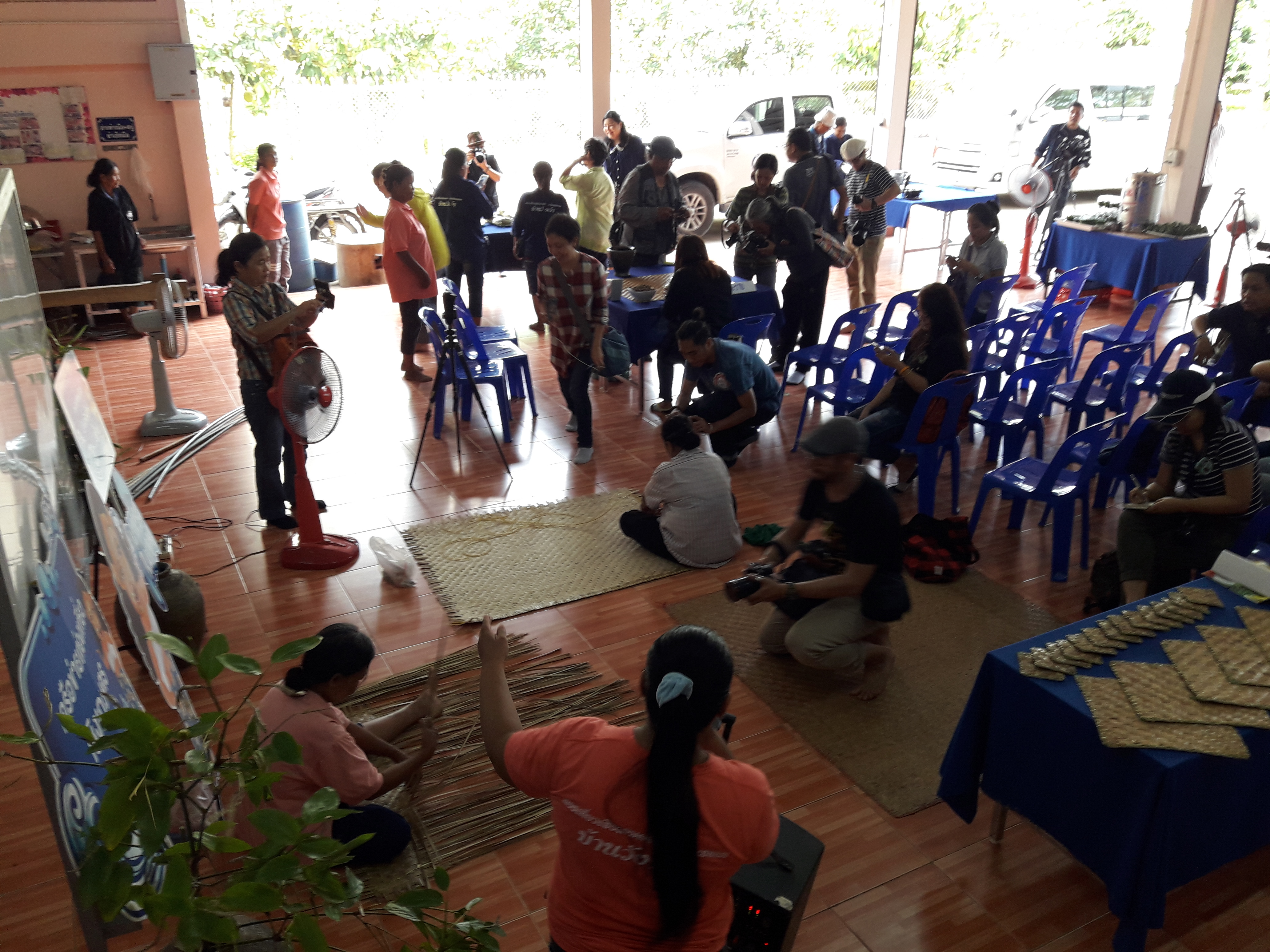
- Watch how to make mud fermented cloth, weaving by hand, Yok Dok cloth, and buying ready-made mud fermented fabrics.
- See how to make a barn doll (Ban Ta Wong)
- See stump handicrafts
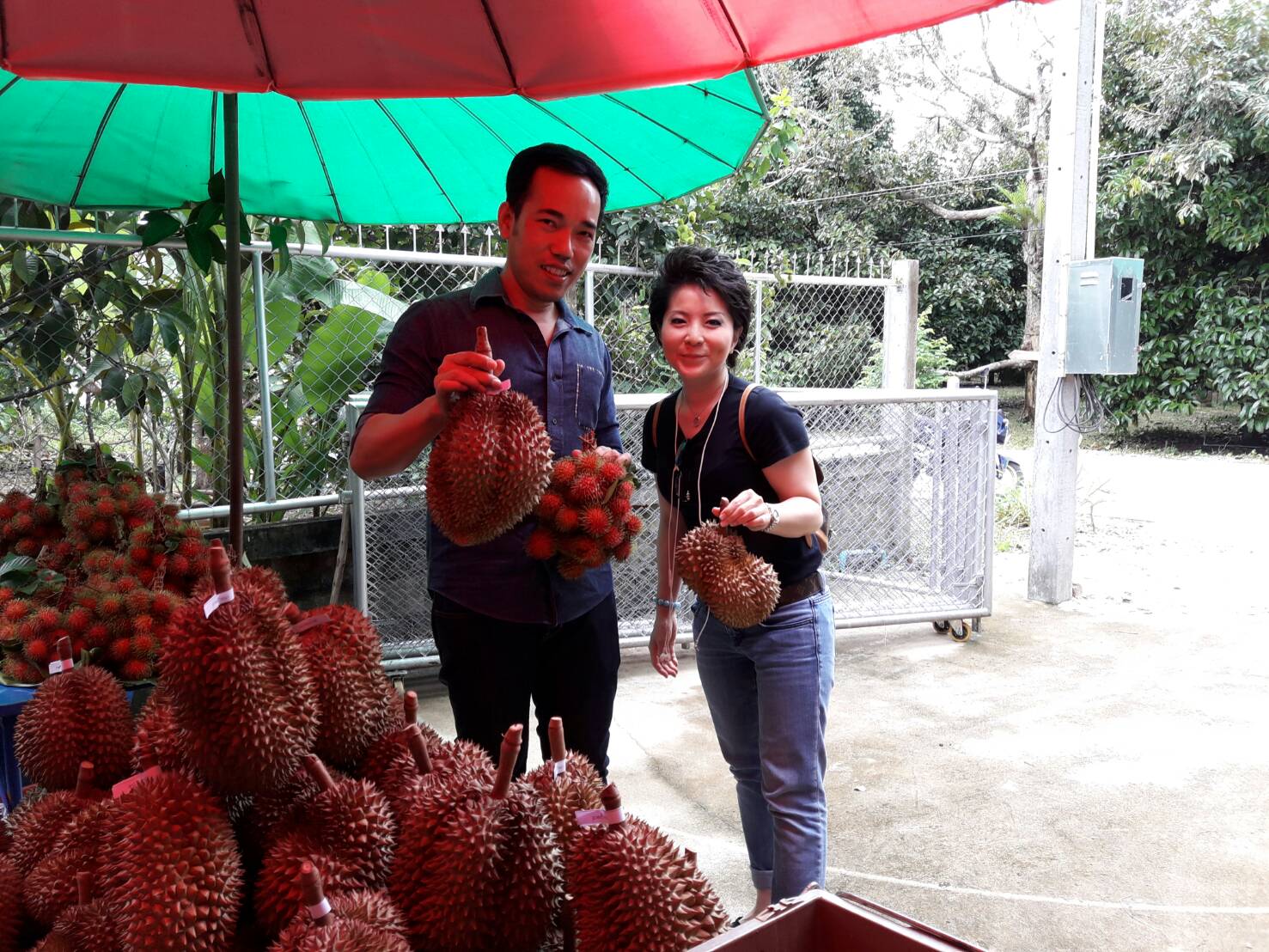
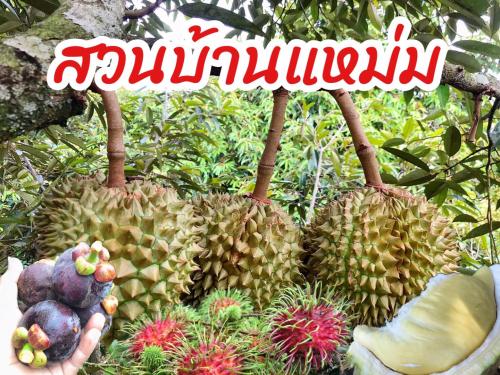
- See and taste seasonal fruits such as durian, rambutan, longkong, mango, maprang, mafai, longan.
- View point "Huai Ton Hai" to watch the sea of mist and the sun
- Watch and test how to cook rice and local food, and sip coffee in a bamboo tube.
Route links with other attractions:
- Si Satchanalai Historical Park Si Satchanalai District, 30 kilometers
- Antique gold shop, antique silver shop 30 kilometers
- Namtok Pa Kha National Park 70 kilometers
- Sukhothai Historical Park (Old Town Sukhothai) 77 kilometers
- Ramkhamhaeng National Park 110 km.
It is shady orchard where tourists will see durian trees, mangosteen trees, etc. that many people have never seen before. There are also fresh fruit from the garden for sale as well. In addition, this garden has green rambutan for sale that everyone said it was delicious.
1. It is a learning center for the Garden of Eden, organic agriculture, sufficiency economy.
2. Making biogas for household use
3. Making organic fertilizer and making bio-fermented water
4. Using water buffalo to plow into a traditional way of life
5. Damping and restoring forests for water sources (forest planting)
6. Making pork pits, buffalo pits, chickens, etc.
7. Growing organic vegetables and organic fruits (mixture)
8. Fisheries
Ban Santitham is located on the area of 16,000 square meters with more than 700 kind of healing herbs spread over the area. There is also a Thai wooden house which is used to exhibit a variety of ancient agricultural tools, and there is a barn, rice threshing and rice milling equipment display behind the house. In addition, a part of the house is reserved for youth camp with the space for recreation activities.
Nam Dun Thray Dud Miracle pond
Nam Pud upstream forest
Black flowers
Nam Lod Cave
Battlefield historical Cave
Tarn Prueksa Waterfall or Bang Khuy Waterfall
Panan garden has many types of fruit planted there, including rambutan, mangosteen, longkong, durian. The cost of visiting Panan garden during May - June, when the orchard is full of fruit is 200 baht per person (price subject to change). In addition, there is also accommodation in the orchard.
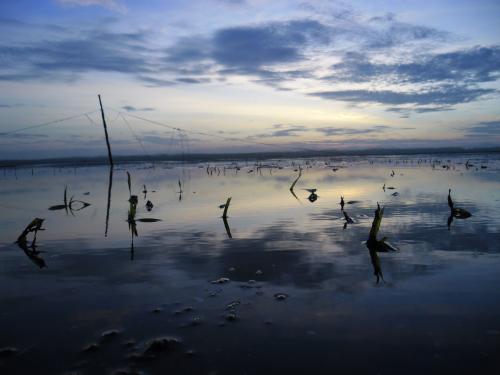
- Watch the fish and mussels raising in cages,
- Cultivation of seagrass
- Study mangrove ecosystem
- Processing of salted fish with nets/sea food
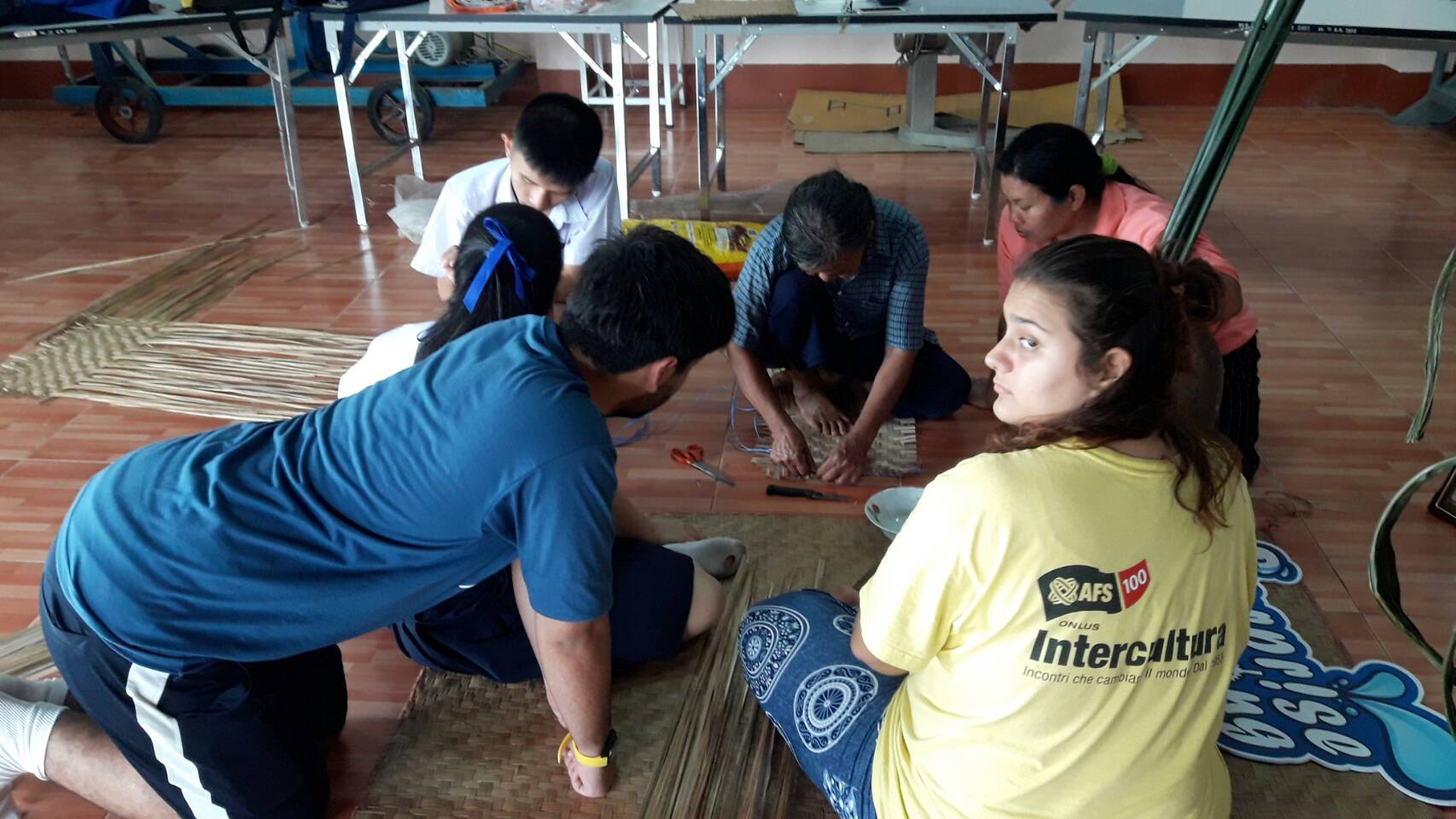
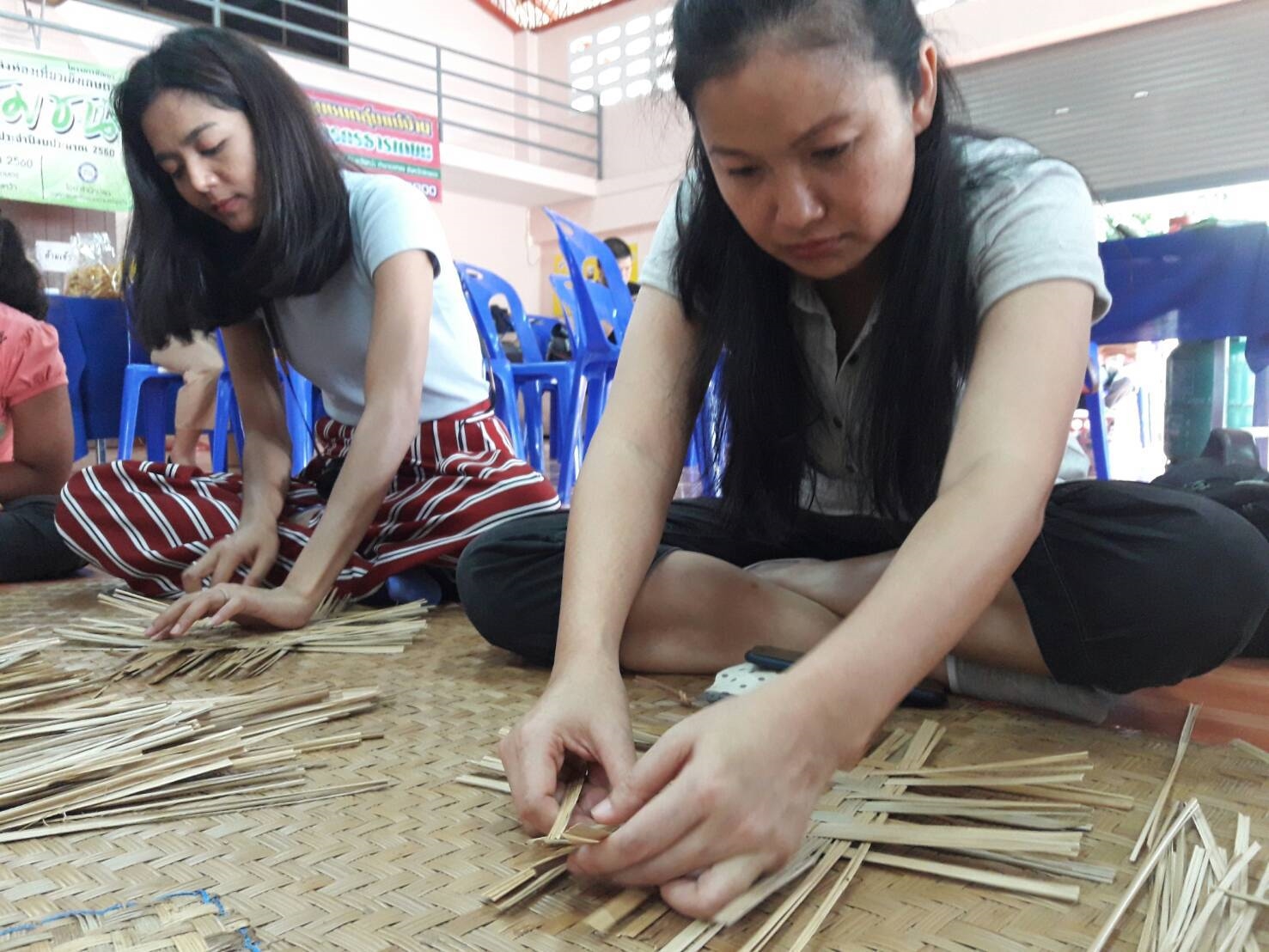
- Toei Panan Weaving
tourism program
- Arrive at the group office. Listen to a briefing on the history of Ban Pru Jude Cage Fish Farming Community Enterprise
- Learn how to raise aquatic animals in cages
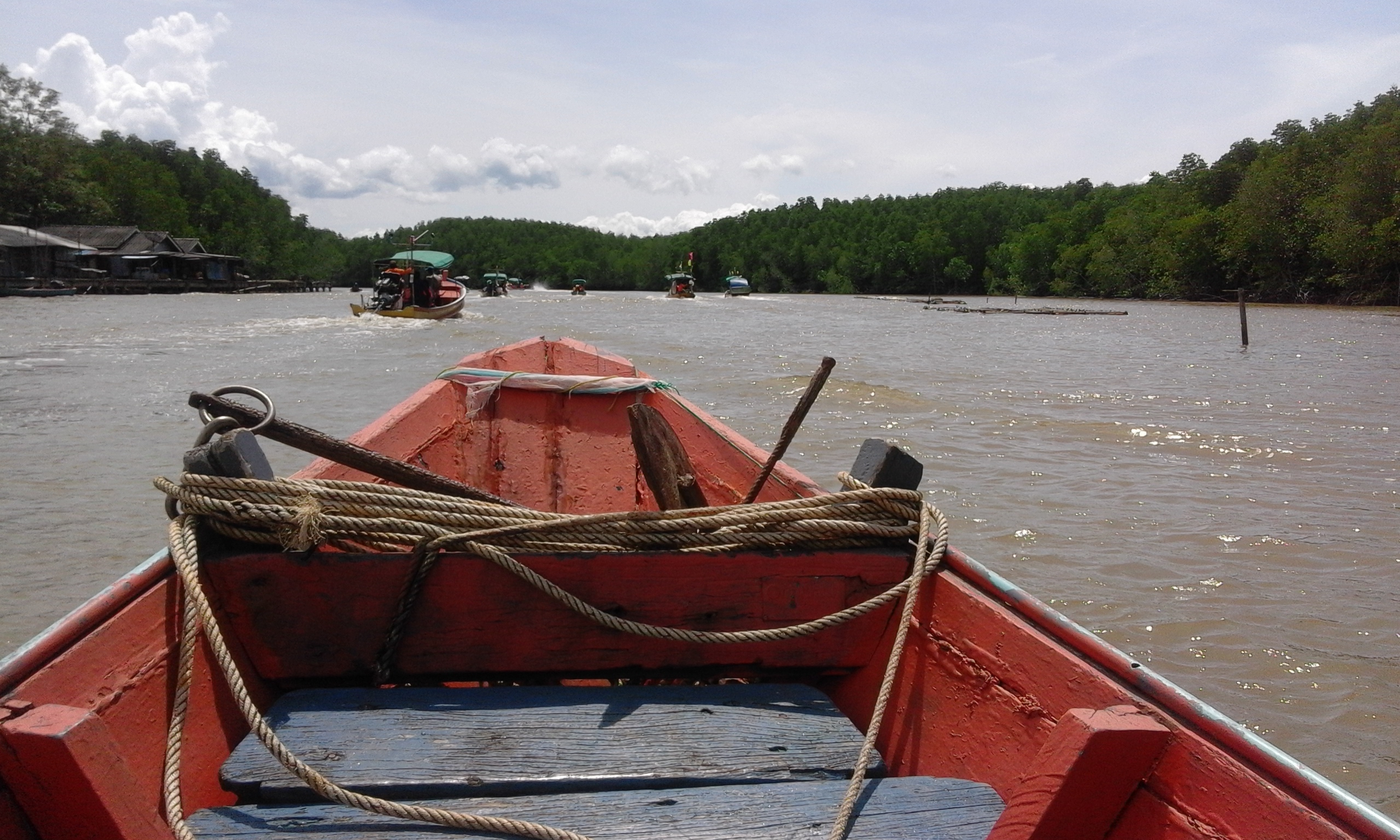
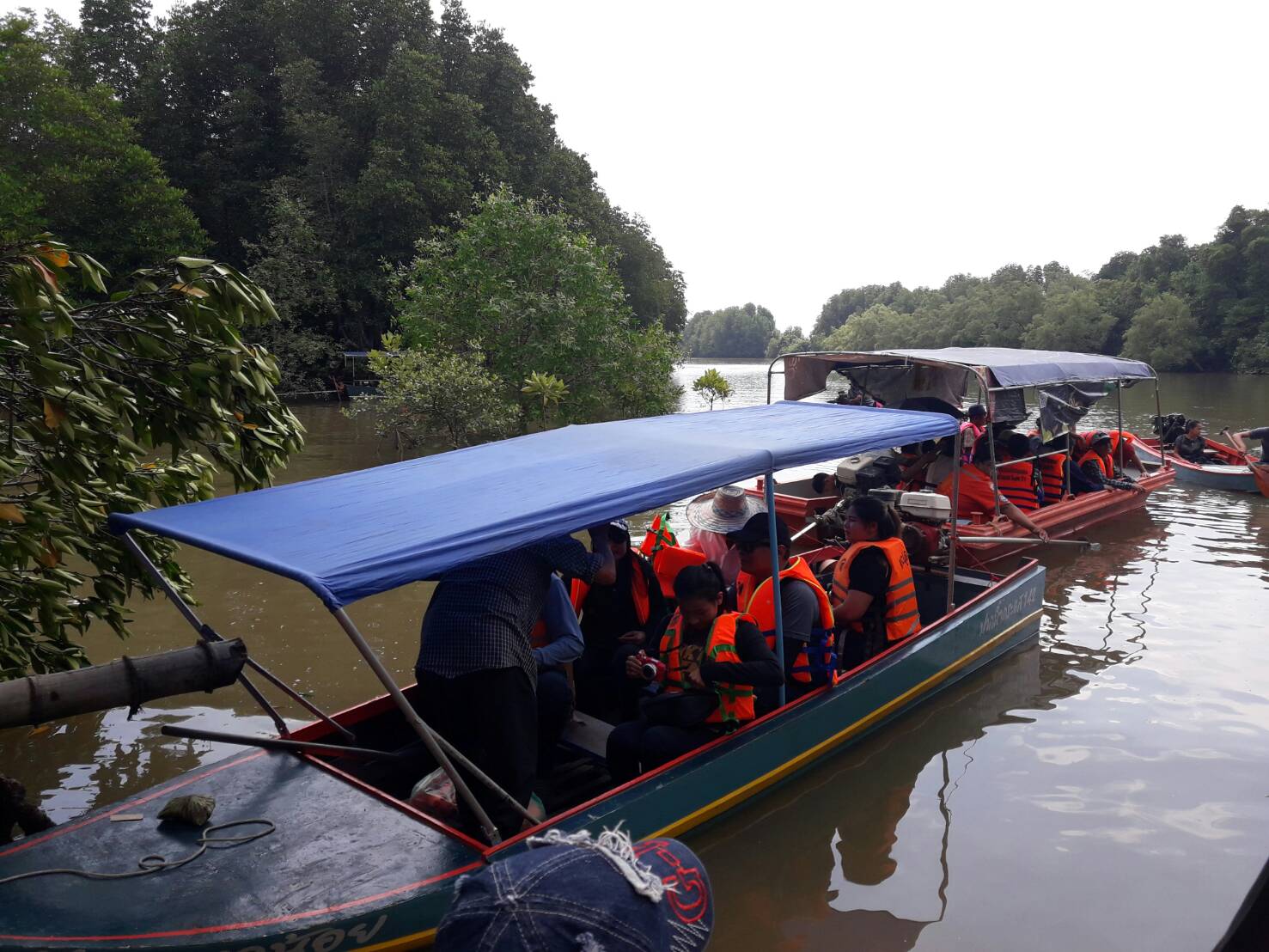
- Take a boat trip to see the mangrove ecosystem. Study mangrove forests, hot springs, visit Boonkong Bay, plant seagrass to conserve food for dugongs in the Trang sea, visit various islands, beaches, return to the accommodation, have dinner, see the community's way of life in the morning. Seafood Processing Group, Kang Mung Salted Fish, Toei Panan Basketry Group, buy souvenirs, Travelling back
Route links with other attractions (with distance/km)
- Pak Meng Beach 8 km.
- Hua Hin Beach 3 km.
- Rajamangala Beach 6 km.
Note: The distance measurement is taken from the point of the group office as a starting point
Community enterprise products in the community
Agricultural products, seafood, salted fish with nets Toei Panan wicker products
1 agricultural learning ground of Ban Na Nam Sam, 10 grounds as follow:
1) Learning ground for the production of bio-based substances (Trichoderma, Beauveria, BT, wild microorganisms, nematodes)
2) Charcoal/Wood Vinegar Distillation Learning Ground
3) Local egg raising ground
4) Mushroom cultivation ground
5) Organic Asparagus Planting ground
6) Freshwater fish farming ground
7) The composting ground
8) Herbal Refinery Ground
2 Study natural attractions
1) Pha Nam Thip Cave Sacred water from nature
2) Bat Cave, discover the natural wonders of millions of bats.
3) Chompoo Cave
4) Wat Khao Sam Yot
5) Tad Fa Waterfall
6) Tad Tao water
7) Phu Ta Lor Cave
8) Dong Sakran Viewpoint
9) Dong Lan Forest Development Project
3 agricultural learning resources
1) Growing Asparagus
2) Planting and propagating guava
3) Longan orchard generates income
4) Mushroom cultivation for additional income
tourism program
2 days 1 night program
Learn about agriculture at 1-2 ground center > have lunch > visit Pha Nam Thip Cave > watch bats > have dinner > relax at homestay / Phu Pha Man Camp > Asparagus plot > Golden banana plantation > Khao Temple Sam Yot > have lunch > go back
Note – Tour programs and service fees may change as appropriate.
- 3 snacks
1 day program
Learn about agriculture at center 1-2 bases > have lunch > visit Pha Nam Thip Cave > watch bats > go back
Note – Tour programs and service fees may change as appropriate.
- 2 snacks
Route links with other attractions (with distance/km)
1) Pha Nam Thip Cave Sacred water source from nature, a distance of 3 km.
2) Bat Cave, a distance of 6 km.
3) Chompoo Cave, a distance of 4 km.
4) Wat Khao Sam Yot, a distance of 6 km.
5) Tad Fa Waterfall, a distance of 18 km.
6) Nam Phut Tat Tao, a distance of 12 km.
7) Phu Ta Lor Cave, a distance of 16 km.
8) Dong Sakran Viewpoint, a distance of 18 km.
9) Dong Lan Forest Development Project, a distance of 22 km.
Community enterprise products in the community
1 Ban Son Tai Community Shop, Village No. 3, Ban Son Tai, Non Kom Subdistrict, selling Phu Pha Man folk clothes
2 Ban Non Kom Community Shops, Village No. 1, Ban Non Kom, Non Kom Subdistrict, selling local products and souvenirs.