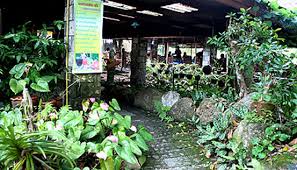
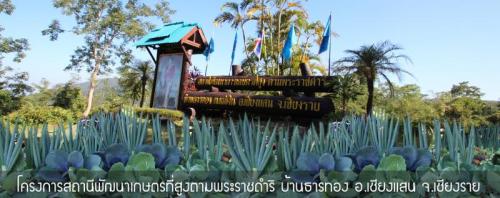
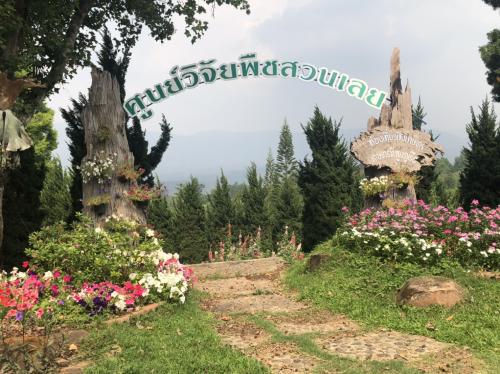
The Royal Agricultural Station Angkhang is an ecotourism site where the nice garden and the interior design are very beautiful and attractive. This is the famous place for tourists to visit and see the cold weather plants and flowers growing. Numbers of tourists visit Doi Angkhang and the Royal Agricultural Station Angkhang, especially in winter.
It is organized as a learning point station in a systematic way such as
1.1. Orchid seed service station and an orchid seed room
1.2. Planting station for various orchid species and increasing the value of orchids
1.3. Ornamental plant planting and propagation station
1.4. Biological production (Trichoderma Beauveria BT), composting does not return to the pile of Mae Jo formula.
1.5. Earthworm, cricket and sloping station
1.6. Hydroponics and Sky Vegetable Planting Station
1.7. Various types of mushroom cultivation stations
1.8. Plant seedling cultivation station and food processing from mushrooms
1.9. Different types of fruit plant propagation stations
1.10. Integrated Agricultural Station according to the Sufficiency Economy Philosophy
(can be adjusted as appropriate)
The Ministry of Agriculture and Cooperatives established the Golden Jubilee Museum of Agriculture on the occasion of His Majesty King Bhumibol Adulyadej's 50-year to the throne in 1996. On the area of 800,000 square meters in Klong Nueng Subdistrict, Klong Luang District, Pathumthani Province.
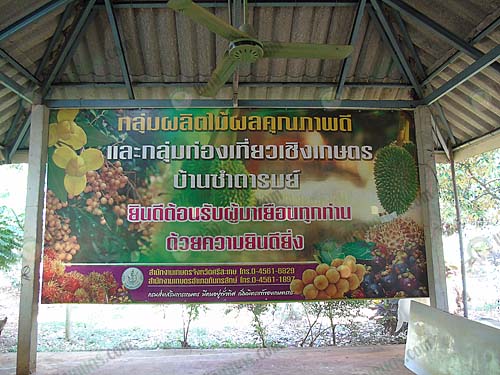
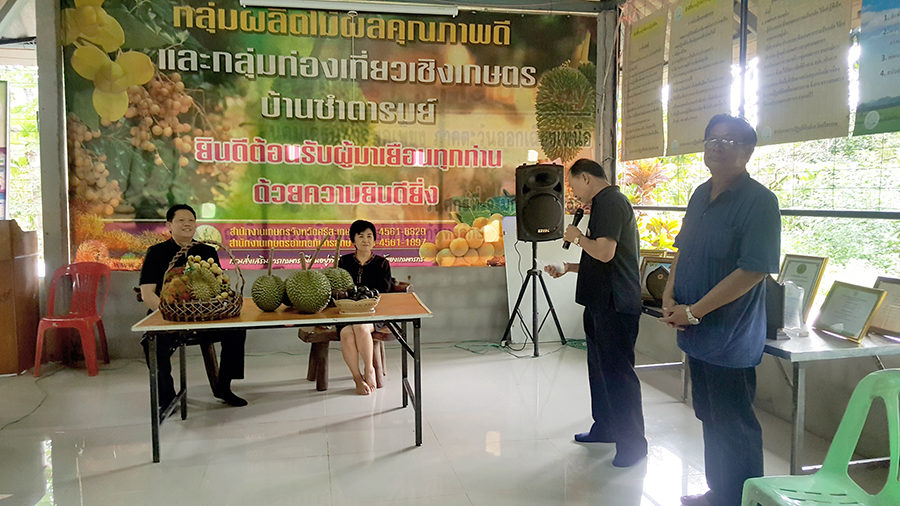
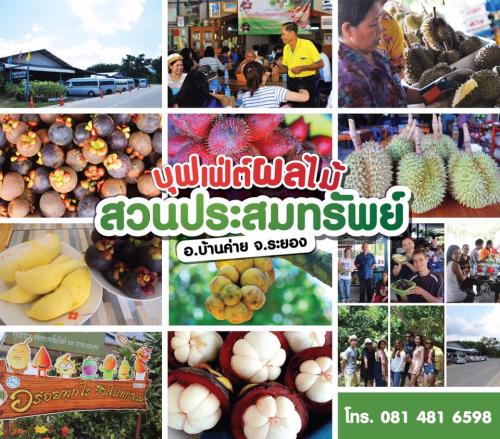
Panan garden has many types of fruit planted there, including rambutan, mangosteen, longkong, durian. The cost of visiting Panan garden during May - June, when the orchard is full of fruit is 200 baht per person (price subject to change). In addition, there is also accommodation in the orchard.
It is an area that connects to Khao Yai National Park; thus, this area has an abundance of nature. And, the villagers here make seasonal orchards, and it is suitable for natural tourism .There is also a tree dug around, selling various seedlings and a camping ground
"...Taste the tea......Chiangda vegetable tea produced in the center.
...see the garden...see the plots to learn about agriculture Flowering plants - ornamental plants, fruit trees - perennial plants, sufficiency economy, vegetable and herb plants, economic insects, check dams, rare plant collection plots, natural check-in points, nature walks, watershed viewing, viewing Local birds...etc.
...invite to shop...agricultural products of the Farmer Network group at the sales point in front of the center.
Tourism program :
1 day trip inside the center
2 days 1 night trip..with other nearby attractions
Route links to other attractions:
'- Ban Tai Lue, Ban Luang Tai Distance before reaching the center 7 km.
- Sri Mung Muang Temple Distance before reaching the center 7 km.
- Wat Phra That Doi Saket Distance before reaching the center 7 km.
- Nong Bua Phra Chao Luang Distance before reaching the center 5 km. Suspension bridge Mae Kuang Udom Thara Distance before reaching the center 10 km.
- Doi Saket Hot Spring Distance from the center 9 km.
- Huai Hong Krai Royal Development Study Center The distance from the center is about 4 km.
- Royal Initiative Project, Agricultural Learning Center, Demonstration Field, 85 Rai
The distance from the center is about 7 km."
high altitude research and training station used as a plot to study and experiment on plants It is a place for internships for students both inside and outside the institute and as a place to study nature. to people who are interested in general
A village that grow organic vegetables. Visitors can come and learn how to compost from garbage, making compost from oyster snails, and cultivation of organic vegetables from the royal family of Chakphan Pensiri.
Able to visit every day.
Tel 08199896279
The garden is adjacent to the irrigation canal which cause a cool wind blowing all the time. Inside the garden is shady. There are kiosks for tourists to sit, relax and eat the fruits from the garden. The highlight of Pu Yai Somkuan Garden is the gigantic 100 years old mangosteen tree with tall trunk and beautiful bush. The distinctive feature of the 100 years old mangosteen is that it has a thinner shell, more delicious than normal mangosteen; but smaller in size.