คำค้นยอดฮิต: ข้าวเหนียวมะม่วง ของขวัญออแกนิค ผลไม้สด
TH | EN
฿ 0.00
Suan Ponsiri
Sub district Taphong District Mueang Rayong Province Rayong
Image
Image
Image
Image
Weather
Closed
Business hours
• Sunday
: 09:00 - 16:00
• Monday
: 09:00 - 16:00
• Tuesday
: 09:00 - 16:00
• Wednesday
: 09:00 - 16:00
• Thursday
: 09:00 - 16:00
• Friday
: 09:00 - 16:00
• Saturday
: 09:00 - 16:00
Note
: -
Review Score
0
Availability
0
Value
0
Service
0
Read more >
Information
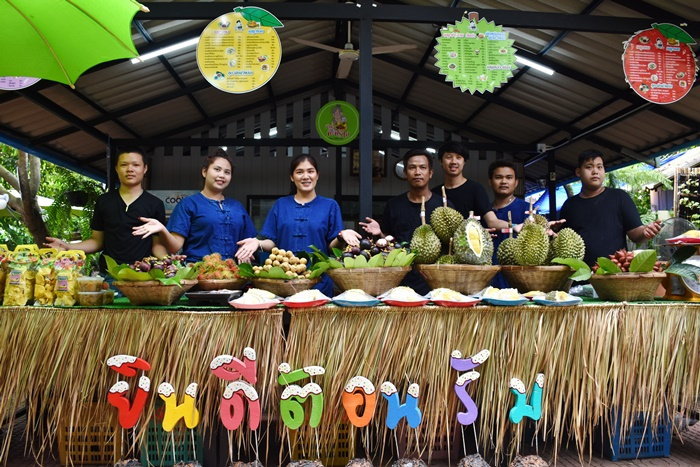
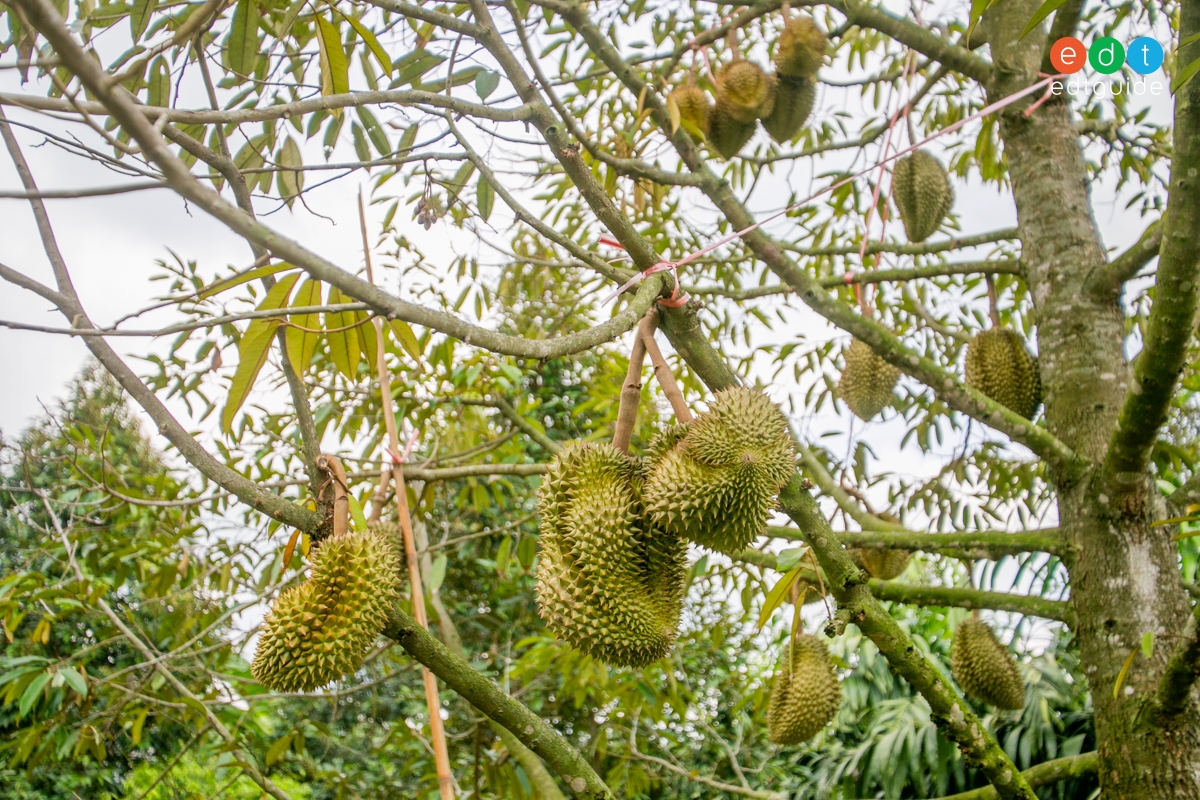
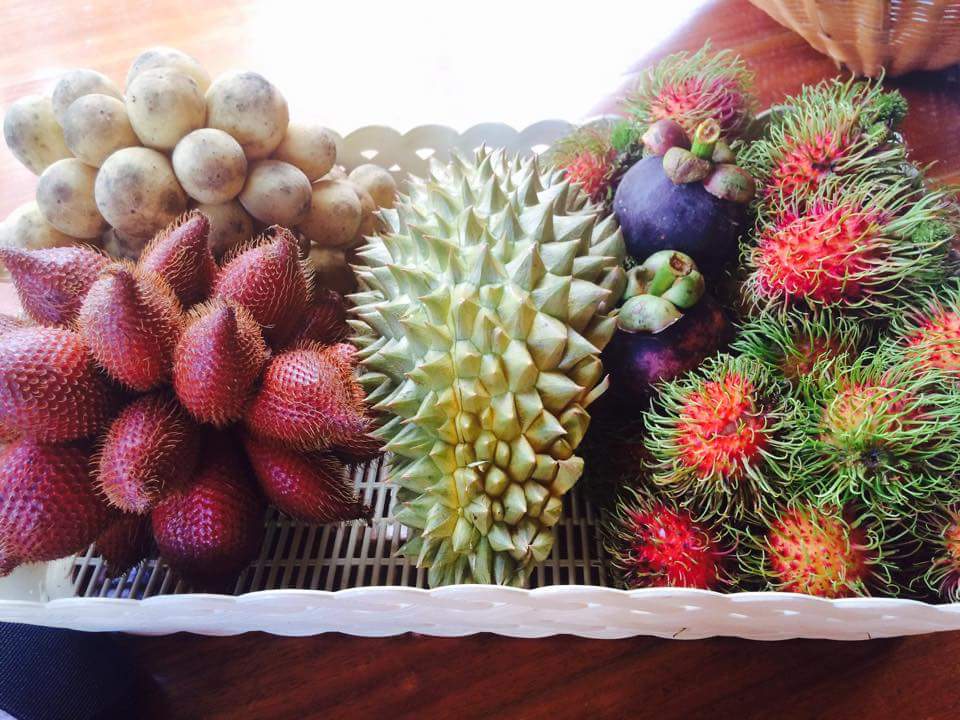
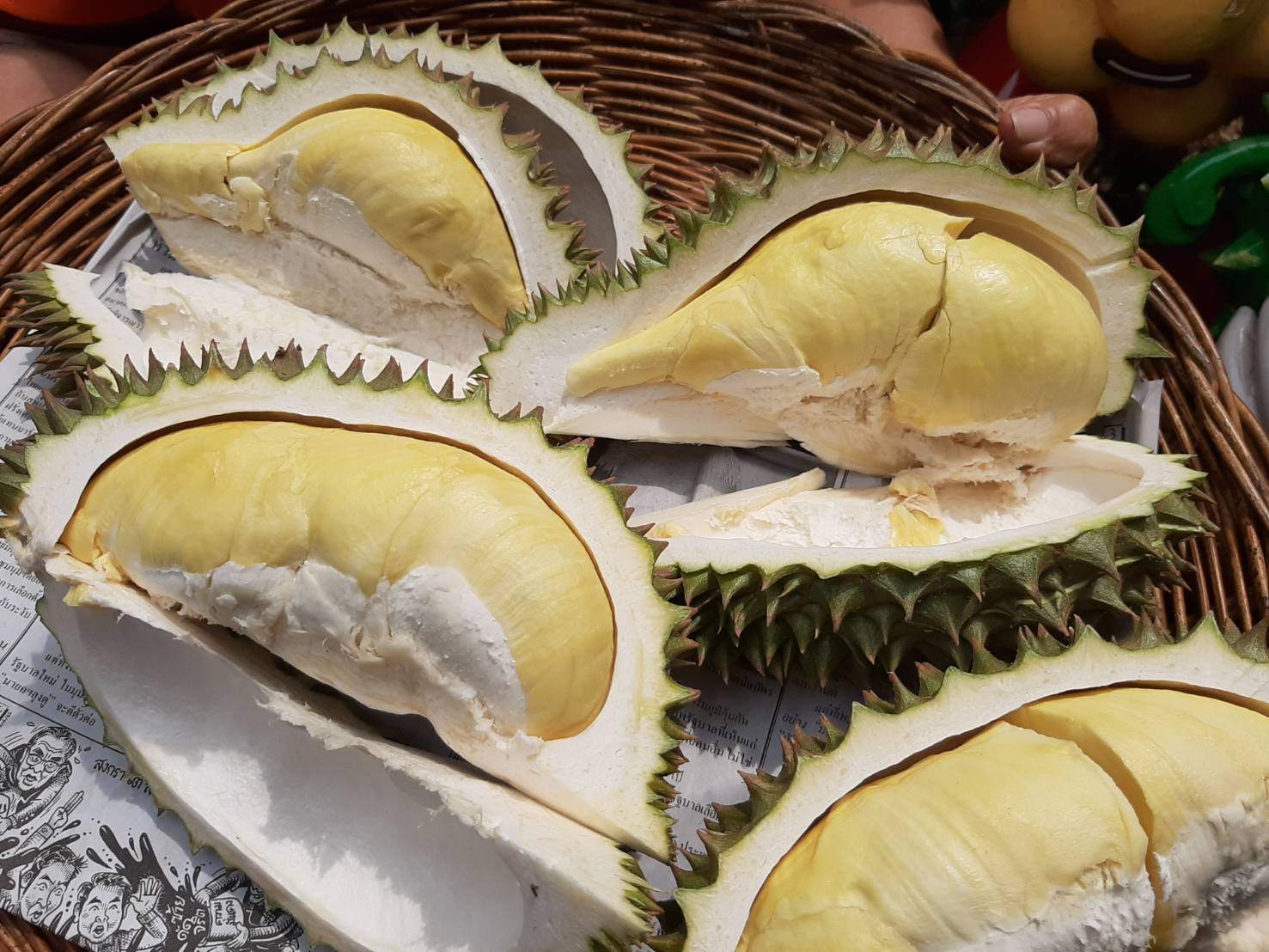
Enjoyable with the fullest tour of fruits buffet tasting such as durian, rambutan, mangosteen, longkong, on an area of ​​41,600 square meters. Watch a demonstration of durian harvesting and selling processed fruits.
Source
Thailand Tourism Directory
Recommended
Entrance fees
• Entrance fees: Non-fee
• Remark : -
Review (0)
0
จาก 5.0
Availability
Value
Service
Relate Agritourism
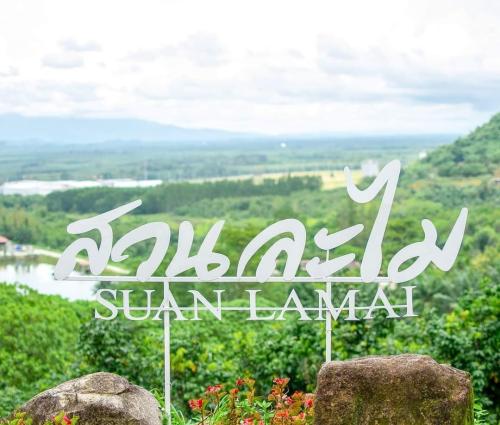
"Suan Lamai" is a large orchard on an area of ​​over 800,000 square meters with a tram service for tourists to explore the orchard and enjoy various kinds of fruit in a buffet such as a Rambutan, Mangosteen, Longan, Grapefruit during fruit season. During the Winter, "Suan Lamai" will opens for visitors to visit a Strawberry farm and colorful Cosmos flowers garden. There's also a sheep farm for animals lover who wants to feed a sheep and take photos with those sheep.
Rayong
1. Form of activity: see and study the production process of jasmine rice, volcanic soil, weave mat demonstrate, fabric dyeing from soil at Ba Rai holy well. Sightseeing plant herb production area and herbal processing, buy some souvenir or product and agricultural goods, OTOP center. You can try yummy food in KhanToke style and see Apsara Dance, see view by bicycle, take a rest at homestay, visit rural market in the morning. 2. The way of community: cultivation, southern east livelihood, traces of Khmer civilization. 3. The Participation of tourist: tour, taste, shopping, snap, share, do and learn agricultural station. Tourism Program 2 days 1 night Frst day, Check in at the accommodation, rent some bicycle, see how to produce volcanic jasmine rice station, see how to plant vegetable and herbal processing, having lunch at Baray reservoir. Afterwards, visiting at Mueang Tum Ruin, see around the community by bicycle in the evening then make some traditional dinner at homestay (KhanToke style and see Apsara dance but it is depend on coustomer's demand because it is an extra charge), lie down at homestay. Day 2 Visit morning rural market, give food to the monks, have a meal at homestay, weave mat demonstrate and fabric dyeing from soil at Ba Rai holy well, weave fabric as Paco Fern pattern (Pak Krood) and buy some silk fabric with Pak Krood pattern at The OTOP center, go up the hill to visit Khao Phanom Rung National Park The route that linking with the others tourist attraction 1. Mueang Tum Ruin distance 500 meters. 2. PhanomRung Historical Park distance 5 kilometers. 3. Phu Akkanee Dye Fabric group distance 23 kilometers. 4. Wat Khao Ang-Karn Chaloem Phra Kiat district distance 25 kilometers
Buri Ram
The Royal Agricultural Station Angkhang is an ecotourism site where the nice garden and the interior design are very beautiful and attractive. This is the famous place for tourists to visit and see the cold weather plants and flowers growing. Numbers of tourists visit Doi Angkhang and the Royal Agricultural Station Angkhang, especially in winter.
Chiang Mai
Baan Bua Thoeng Community, the learning center for sufficient living, mixed farming, organic agriculture, bio-composting resources, the benefits and use of bio-compost to agriculture, and the use of local wisdom in agricultural development to suit hot and dry climate of Northeast.
Ubon Ratchathani
King Bhumibol Adulyadej (King Rama IX) foresaw the significance of plant genetic conservation prior to a recognition of the terms “Biological Diversity” and “Conservation” in Thailand. During the trip to Klai Kang Won Palace, A. Hua Hin, Prachuap Khiri Khan Province in 1960, he passed through A. Tha Yang, Phetchaburi Province and noticed many Yang Na trees (Dipterocarpus alatus). Therefore, he had royal words to collect the seeds to plant at Phra Tamnak Piam Suk, Klai Kang Won Palace, and grow the seedlings at Royal Chitralada Projects to study. In 1985, King Rama IX gave a royal word to conserve jackfruit tress around the Grand Palace and initiated the plant conservation project in the palaces by tissue culture. Later in 1986, he had the royal idea to conserve and breed rattan palms and arrange the herbal garden in Royal Chitralada Projects area. Her Royal Highness Princess Maha Chari Sirindhorn carried on the plant conservation project by having the royal idea and asked Lord Chamberlain to carry out plant conservation project in June 1992, when the seed gene bank was formed, and study the preservation of non-industrial crops under the royal thought framework. In 1993, Mr. Sujin Phunikom, the Assistant Subdistrict Headman of Salui and Tha Sae District, Chumporn Province, and his group, cooperated with the Director of Ultra Products Co., Ltd. and the agriculturists in Chumporn Province to establish plant conservation project at the public area located at Moo.6, Salui District (presently Moo. 5 and 6, Salui District, and Moo.4 and 7, Song Phi Nong District). At the same time, the Royal Chitralada Projects was looking for the area to set up the Plant Genetic Conservation Project Under The Royal Initiative of Her Royal Highness Princess Maha Chari Sirindhorn. Subsequently, Royal Chitralada Projects represented by Professor Prachid Wamanont (the Consultant) and the team met with Chumporn Governor (Mr. Prayoon Promphan) to discuss about the project. The first five years, the project was named “Plant Conservation and Development Project Under The Royal Initiative of Her Royal Highness Princess Maha Chari Sirindhorn, Chumporn Province”. Chumporn Provincial Agricultural Extension proposed the project for the approval from Chumporn Governor and submit the project documents to the Director of Royal Chitralada Projects to respectfully inform to Her Royal Highness Princess Maha Chari Sirindhorn on 26 April 1993. Moreover, Plant Conservation and Development Project was integrated with the royal plant genetic conservation project, which Dr. Pisit Wora-urai was a Chairman. The executives meeting on 9 July 1997 had the resolution to change the project’s name from “Plant Conservation and Development Project Under The Royal Initiative of Her Royal Highness Princess Maha Chari Sirindhorn, Chumporn Province” to “Plant Genetic Conservation Project Under The Royal Initiative of Her Royal Highness Princess Maha Chari Sirindhorn”
Chumphon
It is an area that connects to Khao Yai National Park; thus, this area has an abundance of nature. And, the villagers here make seasonal orchards, and it is suitable for natural tourism .There is also a tree dug around, selling various seedlings and a camping ground
Saraburi
Suan Sawan Suphan Buri on the area of hundreds of acres: It consists of many types of plants that are displayed for viewing each period and various festivals throughout the year, including Thai flowers and oversea flowers that are colorful, beautiful and spectacular. Both foliage and fruit trees that have been researched and propagated until obtaining suitable varieties with the best quality for distribution to farmers for further cultivation
Suphan Buri
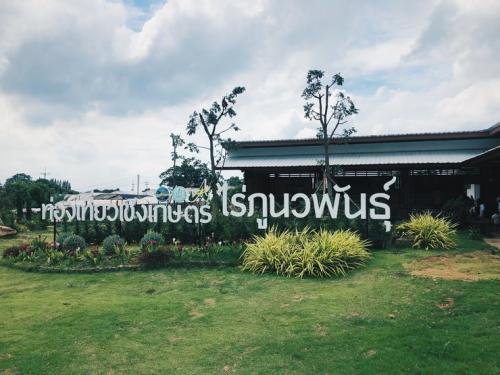
Phu Nawaphan Vineyard It is a vineyard with processed products of grapes, grapes, grape juice, etc.
Saraburi
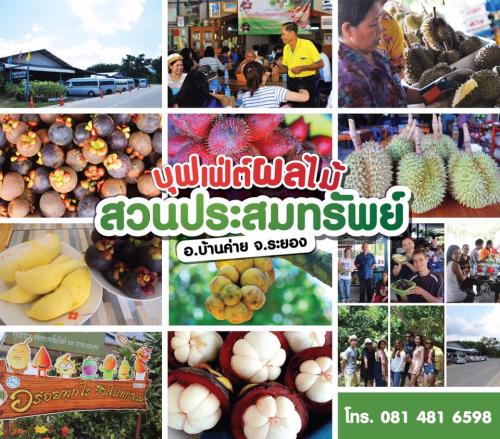
There is various fruit trees plant on this farm such as Mangosteen, Longkong, durian, Rambutan, Santol, and Mayongchid. It is like a normal orchard but the difference is that "Suan Prasomsap" uses natural extracts. and use bio-fertilizer in pest control to grow fruit trees ensuring that quality products will be safe from toxins and chemicals. That's fruits from this orchard have a sweeter and tastier flavor.
Rayong
Supattra Land Garden is a collection of 25 types of tropical fruit trees such as durian, mangosteen, rambutan, grape, jackfruit, longan, star fruit, coconut, longkong, salaam, dragon fruit, and rose apple. There are many fruits and also hydroponic vegetables and beekeeping.
Rayong
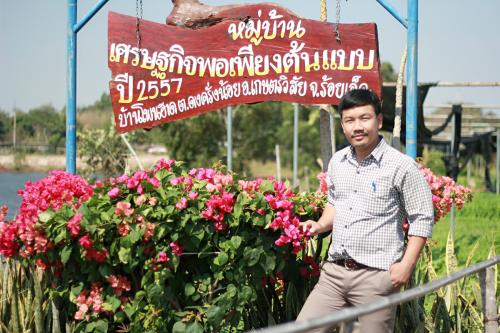
Phon Had Village is a sufficiency economy village, an organic vegetables source, organic rice, delicious insects, listening to vegetable lullabies as a source of fanaticism. The only place in Roi Et according to the Philosophy of Sufficient Economy. The village is famous for its delicious insects, excellent craftsmanship. Familiar with pesticide-free vegetables Muan I Lee Bun Bang Fai Tradition, worshipping the great god, the legend of Phraya Had Phraya Thon
Roi Et
Fruit buffet, making local rice crackers, weaving Khla mat, Lam Tud Dek
Rayong